There is something wonderfully thrilling about planning a visit to the RHS Chelsea Flower Show. Long before you arrive, you can almost imagine the scent of roses drifting through the air, the hum of excited conversation and the cheerful sight of gardeners carrying notebooks, sun hats and perhaps one or two plants they absolutely did not intend to buy.
But before you begin dreaming about show gardens and floral displays, there is one practical detail to settle: how to find the Chelsea Flower Show address and reach the right entrance without unnecessary wandering.
The show takes place at the historic Royal Hospital Chelsea in London. Its main address is:
Royal Hospital Chelsea
Royal Hospital Road
London
SW3 4SR
United Kingdom
This postcode is the most useful detail to enter into a map application or sat-nav. However, the Chelsea Flower Show can have different pedestrian access points depending on the year, ticket type and event arrangements. It is therefore wise to check the official RHS website and your ticket information before setting off.
Where exactly is the Chelsea Flower Show?
The Royal Hospital Chelsea stands in the heart of Chelsea, in west-central London. The venue is close to the River Thames and surrounded by some of the capital’s most attractive streets, galleries, cafés and garden shops.
The main entrance is traditionally associated with Royal Hospital Road, while other entrances may be used around the site during the show. Your ticket or the official visitor information should indicate the entrance assigned to you. Do not assume that every gate will be open to every visitor; a few minutes spent checking beforehand can save a surprisingly long walk around the perimeter.
When using online maps, search for “RHS Chelsea Flower Show” or “Royal Hospital Chelsea, Royal Hospital Road, London SW3 4SR”. Searching only for “Chelsea Flower Show” may take you to a general map pin rather than the entrance you need.
The postcode SW3 4SR covers the Royal Hospital Chelsea area, but London streets can be busy and occasionally confusing, particularly on show days. Keep your ticket accessible, follow the temporary RHS signs and allow time to pause and ask a steward for help. There is no prize for arriving breathless, even if you are eager to see the gardens.
Travelling to the show by underground
The London Underground is often the simplest way to reach the Chelsea Flower Show, especially when roads are busy. Several stations are within walking distance, although the most convenient choice depends on your route and mobility needs.
- Sloane Square: usually the most popular station for visitors. It is served by the District and Circle lines and is approximately a 10 to 15-minute walk from the Royal Hospital Chelsea, depending on your entrance and pace.
- South Kensington: served by the District, Circle and Piccadilly lines. It is generally a longer walk, often around 20 to 25 minutes, but can be useful if you are already travelling on the Piccadilly line.
- Victoria: a useful interchange for National Rail, the Victoria line, District line and Circle line. From Victoria, you can continue by bus or walk for roughly 25 to 30 minutes.
- Battersea Power Station: served by the Northern line extension. It may be convenient for some visitors, although the walk across the river and through the surrounding streets can take longer than expected.
For many people, Sloane Square is the natural starting point. Once outside the station, follow signs towards Chelsea and Royal Hospital Road. The route is pleasant, passing elegant buildings and leafy streets, but it can become crowded during the show. If you are carrying a picnic, camera equipment or a large gardening bag, leave a little extra time.
Accessibility information can change according to station works and temporary arrangements. Check Transport for London before travelling, particularly if you need step-free access. Sloane Square is not fully step-free, so visitors who use wheelchairs or have limited mobility should plan their route carefully and consult both Transport for London and the RHS accessibility guidance.
Getting there by bus
London buses can be a good option when you prefer to avoid the Underground or would like to see more of the city along the way. Routes serving Chelsea and nearby roads vary, so use the Transport for London journey planner on the day of travel.
Look for stops near Royal Hospital Road, Chelsea Bridge Road, Lower Sloane Street or Sloane Square. The precise stop to use will depend on the bus route and any temporary road restrictions around the show.
One benefit of travelling by bus is that you can remain above ground and enjoy glimpses of London’s architecture. One small warning: buses may be particularly busy during popular show hours, and large gardening purchases can make the return journey more adventurous than the outward one. If you buy a magnificent shrub, make sure you have a practical plan for getting it home.
Can you walk from central London?
Yes, if you enjoy a longer stroll. The Royal Hospital Chelsea is within walking distance of several central London areas, although the journey may take between 30 and 60 minutes depending on your starting point.
From Victoria, the walk is generally straightforward. From Westminster, you can cross towards Chelsea and follow the river or nearby roads. From Battersea Park, the journey may be pleasant in good weather, particularly if you enjoy combining the flower show with a riverside walk.
Walking is a lovely choice when the weather is kind and your shoes are comfortable. This is not the day for brand-new sandals, however. By the time you have explored the show gardens, floral displays, trade stands and nursery stalls, your feet will appreciate every sensible footwear decision you made that morning.
Arriving by train
Visitors coming from outside London will often arrive at Victoria, Waterloo or London Bridge, depending on their route.
- London Victoria: offers National Rail connections and links to the Underground. From here, take a bus, use the Underground or walk towards Chelsea.
- London Waterloo: connects with the Underground and buses. You may need to change lines or continue part of the journey above ground.
- London Bridge: provides another useful central London connection, with onward Underground and bus services.
Always check live travel information before leaving home. Engineering works, strikes, delays and weekend closures can alter the most convenient route. A journey planner will usually give you a more reliable answer than a beautifully confident memory of the London transport map.
Driving and parking near the Chelsea Flower Show
Driving directly to the Chelsea Flower Show is possible, but it is rarely the easiest option. Chelsea has busy roads, limited parking and restrictions that may be introduced or changed during the event.
If you decide to drive, enter the full venue address into your sat-nav:
Royal Hospital Chelsea, Royal Hospital Road, London SW3 4SR.
Do not rely on finding a parking space close to the show. Instead, investigate official parking information, accessible parking arrangements and possible park-and-ride services before your visit. Some event days may have dedicated drop-off points, but these arrangements can vary.
Visitors with accessibility requirements should contact the RHS or consult the current visitor guide for approved drop-off areas and parking advice. A taxi or private hire vehicle may be able to set you down near a suitable entrance, but traffic restrictions can affect where vehicles are permitted to stop.
If you are bringing home plants or garden furniture, check the supplier’s delivery options before buying. Carrying a rose bush through central London is a charming idea in theory. In practice, it can become a slightly thorny relationship with every passenger on the bus.
Planning your route before the day
A little preparation makes the whole visit calmer. Begin by checking the date, opening time and entrance details printed on your ticket. The RHS Chelsea Flower Show usually takes place in May, but exact dates, visitor sessions and access arrangements vary from year to year.
Save the venue address in your phone and take a screenshot of your ticket or booking confirmation. Mobile signals can become busy in crowded areas, and a screenshot is useful if your connection disappears at precisely the moment you need it.
- Check your ticket for the recommended entrance.
- Use SW3 4SR when searching for the Royal Hospital Chelsea.
- Plan your journey with Transport for London on the morning of your visit.
- Allow extra time for queues, security checks and busy pavements.
- Wear comfortable shoes and dress for changeable British weather.
- Bring a reusable water bottle, if permitted by the event guidance.
- Check accessibility information in advance if you need step-free routes, seating or assistance.
- Decide how you will transport any plants, tools or garden purchases home.
It is also worth choosing a meeting place if you are visiting with friends. Telephone signals can be unreliable in a lively crowd, and “I’m beside the big flower display” is not always as helpful as it sounds. Agree on a clear location outside the show or near a named landmark.
What to expect when you arrive
On arrival, look for official RHS signs and uniformed stewards. They can direct you to the correct entrance, answer questions about facilities and explain any temporary arrangements. Keep your ticket ready, as this helps the queue move smoothly.
Security checks may be in place, and bags could be inspected. Review the current visitor rules before travelling, especially if you plan to bring food, large bags, mobility equipment or cameras.
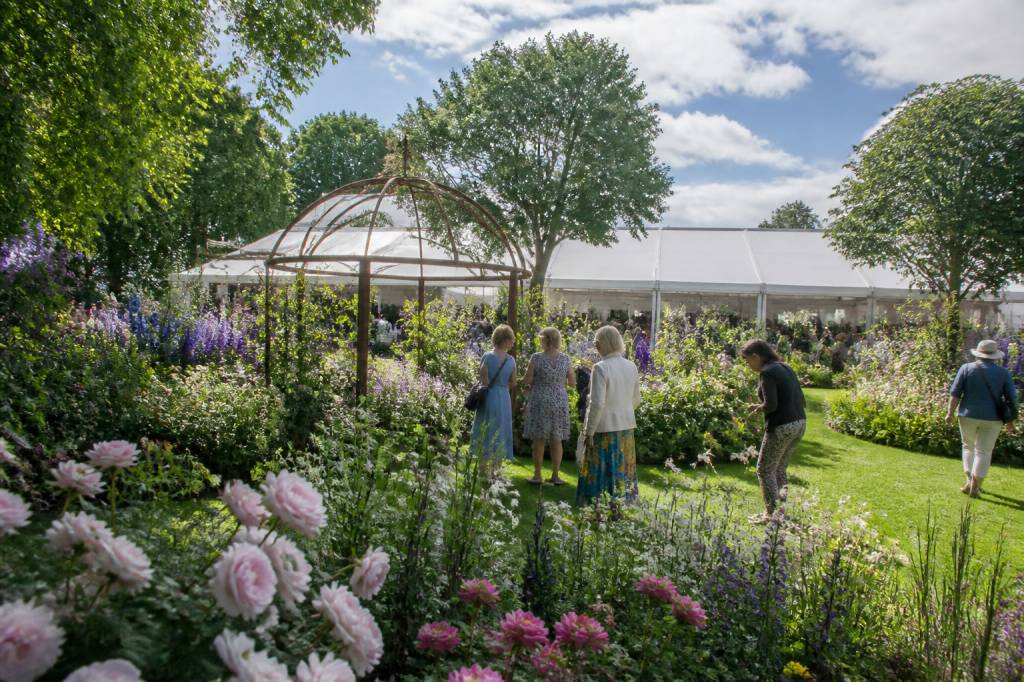
The show itself is much larger than a single garden display. You may find inspirational show gardens, artisan gardens, floral marquees, plant nurseries, specialist growers, talks, demonstrations and garden products. A simple route plan can be helpful, but leave room for discoveries. Some of the loveliest moments happen when you turn a corner and find a plant you have never seen before.
If you have a particular goal, such as visiting the floral marquee or meeting a favourite designer, make that your first priority. Popular areas can become busy, especially later in the day. Afterwards, wander at a gentler pace and allow yourself to be surprised.
The best time to visit
The ideal time depends on the atmosphere you prefer. Earlier sessions may feel calmer and give you more space to study the gardens. Later visits can be lively and sociable, with the added pleasure of seeing the show unfold throughout the day.
Weekday and weekend sessions may have different levels of demand, and some ticket types offer access at particular times. Check the official RHS schedule rather than relying on old advice, as arrangements can change.
Whatever time you choose, remember that Chelsea is an experience to savour. Pause beside a planting scheme. Notice how designers combine texture, scent and movement. Look closely at the small details: a weathered stone, a delicate fern, a clever use of light. These quiet observations often stay with us longer than the grandest display.
Combining the flower show with Chelsea
Once you have explored the show, Chelsea itself is worth a little time. You might take a gentle walk along the Thames, browse independent shops, enjoy lunch in a nearby café or visit one of the area’s galleries. If you are travelling with fellow gardeners, a cup of tea becomes an excellent opportunity to compare notes and discuss which plants have quietly captured everyone’s heart.
Do check restaurant opening times and make reservations if you are visiting during a particularly busy session. Alternatively, enjoy a simple picnic in an appropriate nearby location, following local rules and keeping the area tidy.
The essential address to remember is Royal Hospital Chelsea, Royal Hospital Road, London SW3 4SR. Pair it with your official ticket information, a current Transport for London journey plan and a little extra time, and your arrival should feel pleasantly straightforward.
Then comes the best part: stepping through the entrance and allowing the Chelsea Flower Show to work its magic. Somewhere among the roses, grasses and thoughtful planting combinations, you may find an idea that follows you home and quietly changes your own garden for the better.