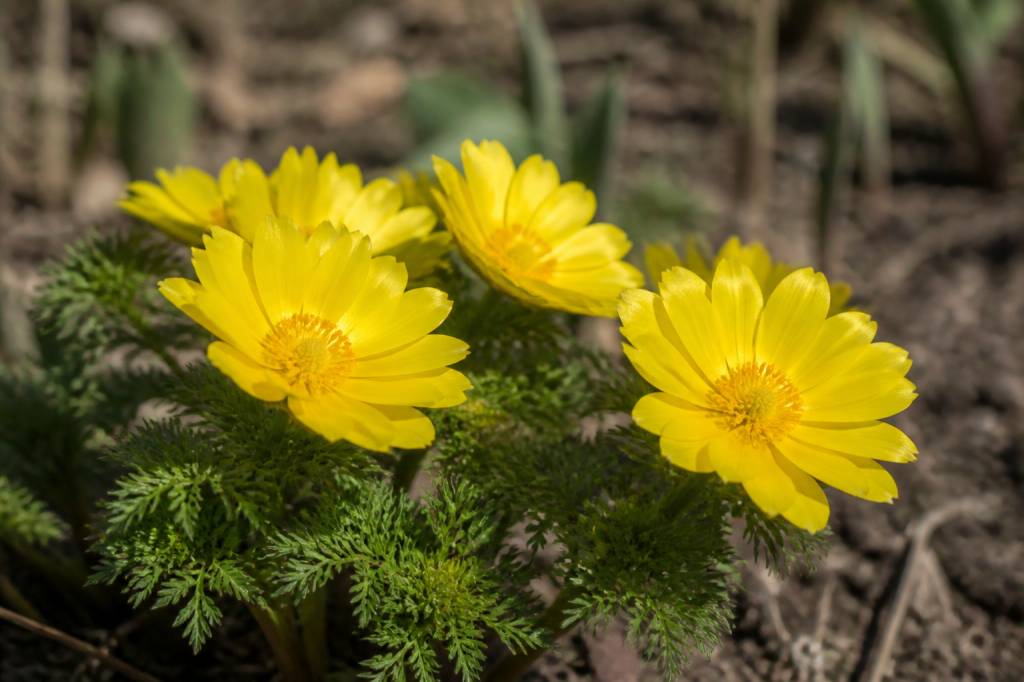
There is something wonderfully unexpected about the Adonis flower. Just as winter begins to loosen its grip, this cheerful little plant opens its golden blooms as though it has carried a pocketful of sunshine through the cold months. With feathery foliage and bright, star-like flowers, Adonis brings an early touch of spring to borders, rockeries and natural-looking garden corners.
Despite its delicate appearance, Adonis is not especially demanding once it has found the right spot. It simply prefers good drainage, plenty of light and a gardener who is happy to let it settle quietly. If you are looking for an early-flowering plant that feels both elegant and a little unusual, this could be the spring beauty your garden has been waiting for.
What is the Adonis flower?
Adonis belongs to the Ranunculaceae family, the same large plant family that includes buttercups, hellebores and anemones. Several species are grown by gardeners, but the most familiar include Adonis amurensis, which flowers very early in spring, and Adonis vernalis, often known as spring pheasant’s eye.
The flowers are usually golden yellow, although some species and cultivars may produce red or orange-red blooms. Each flower has a simple, open shape with numerous narrow petals surrounding a darker centre. The finely divided leaves give the plant a soft, almost fern-like appearance, making a lovely contrast with sturdier spring foliage.
Depending on the species, Adonis may bloom from late winter through spring. In a sheltered UK garden, Adonis amurensis can appear as early as February, while Adonis vernalis tends to flower during March and April. The flowers often close in dull weather and reopen when the sun returns. A little theatrical? Perhaps—but who could blame them for preferring sunshine?
Choosing the best Adonis for your garden
Before planting, take a moment to consider which type of Adonis will suit your space. These plants are not usually large, but their flowering season and growing habits can vary.
- Adonis amurensis: An excellent choice for early colour, producing bright yellow flowers before or alongside many spring bulbs.
- Adonis vernalis: A clump-forming perennial with finely cut foliage and sunny yellow flowers in spring. It prefers a well-drained, sunny position.
- Adonis annua: Also called pheasant’s eye, this is generally grown as an annual or short-lived plant. Its red flowers have a distinctive dark centre and are particularly attractive in cottage-style planting.
For most home gardens, buying a healthy young plant from a reputable nursery is easier than growing Adonis from seed. Seed can be slow and irregular to germinate, and patience is very much part of the bargain. If you enjoy a small gardening mystery, however, raising Adonis from seed can be rewarding.
Where to plant Adonis
Adonis flowers best in full sun, especially in cooler climates where sunlight helps warm the soil in early spring. Choose a position that receives at least six hours of direct light a day. A little light shade is tolerated, particularly in the afternoon, but deep shade may result in weak growth and fewer flowers.
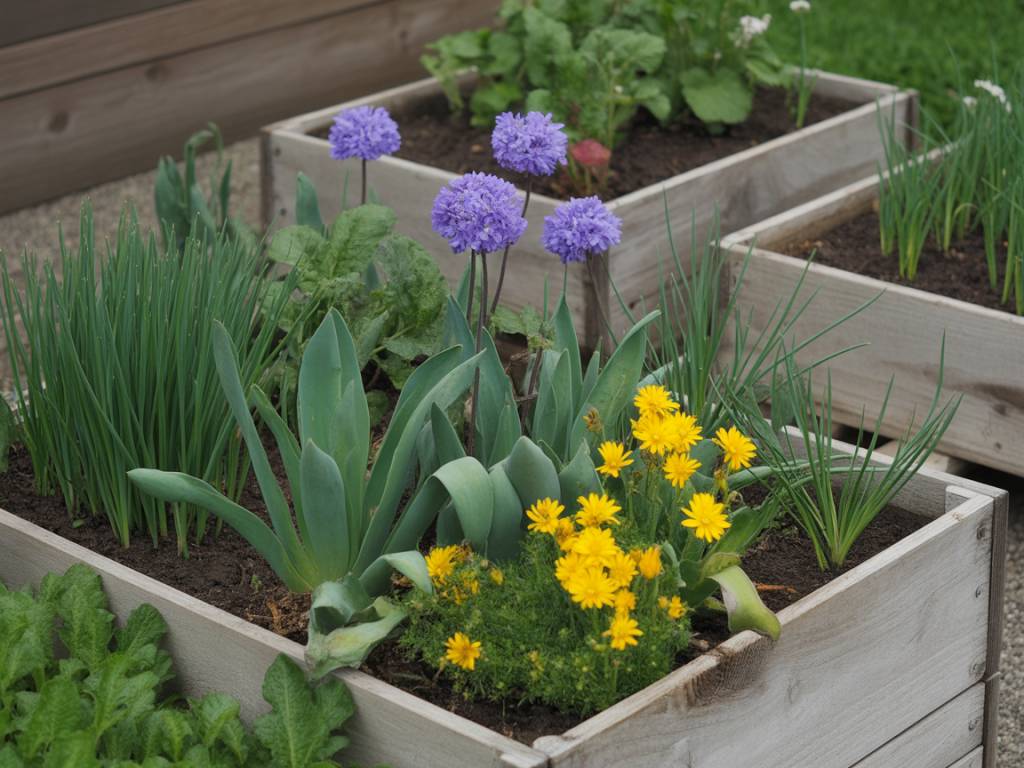
Good drainage is essential. Adonis dislikes sitting in cold, wet soil, especially during winter. A sunny rock garden, raised bed, gravel border or gently sloping area can provide ideal conditions. It also looks charming planted near paths, where its early flowers can be appreciated up close.
Think about its neighbours, too. Adonis works beautifully with crocuses, snowdrops, dwarf narcissi and low-growing sedums. The foliage of small ornamental grasses can also provide a gentle backdrop once the flowers have faded. Try placing it where taller plants will not cover it during its short but precious flowering period.
Preparing the soil
Before planting, loosen the soil to a depth of around 20 to 25 centimetres. Remove large stones, weeds and compacted roots, then mix in a little well-rotted compost if the soil is poor. Avoid adding large amounts of rich manure, as overly fertile soil can encourage soft growth rather than sturdy, compact plants.
Heavy clay soil should be improved with grit or fine horticultural gravel and organic matter. The aim is not to create a dry desert, but to allow excess water to drain away quickly. If your garden remains wet during winter, growing Adonis in a raised bed or container may be a wiser choice.
A soil pH close to neutral or slightly alkaline is generally suitable. Adonis is not usually fussy, but it appreciates a loose, fertile soil that does not become waterlogged. A simple handful of garden compost each year is often enough to maintain good conditions.
How to plant Adonis
Container-grown Adonis can usually be planted in autumn or early spring, provided the ground is workable and not frozen. Autumn planting gives the roots time to settle before flowering, while spring planting allows you to see the plant in bloom before bringing it home.
- Water the plant gently before removing it from its pot.
- Dig a hole slightly wider and no deeper than the root ball.
- Position the plant so the crown sits level with the surrounding soil.
- Backfill with the original soil, firming it lightly around the roots.
- Water thoroughly, then allow the surface to dry slightly between waterings.
Give each plant enough room to develop into a small clump. Around 20 to 30 centimetres between plants is usually suitable, although spacing depends on the species. Planting in small groups can create a more natural display than placing a single plant on its own. Three or five plants tucked among spring bulbs can look particularly lovely.
Watering and feeding
Newly planted Adonis needs regular watering while its roots become established. Check the soil during dry spells and water deeply when the top few centimetres feel dry. Once established, the plant is generally fairly drought tolerant during its active growing period, although it should not be allowed to wilt repeatedly.
In spring, a light mulch of garden compost can help conserve moisture and gently feed the soil. Keep the mulch away from the crown of the plant, as direct contact with damp organic matter may encourage rot.
Adonis does not require frequent feeding. If growth appears weak, apply a balanced slow-release fertiliser in early spring, following the instructions on the packet. Too much nitrogen can produce lush foliage at the expense of flowers, and nobody invites Adonis into the garden merely to admire its leaves.
Looking after Adonis after flowering
Once flowering finishes, the foliage continues to gather energy for the following year. It may remain attractive for several weeks, so resist the temptation to cut it down immediately. Allow the leaves to yellow and fade naturally before removing them.
During this period, continue to water during prolonged dry weather. This is particularly important for perennial species, as the plant is storing energy in its roots. Once the foliage has completely died back, tidy away the old leaves with clean secateurs.
Adonis dislikes being disturbed, so avoid moving or dividing it unless absolutely necessary. If a mature clump has become overcrowded, division can sometimes be carried out after flowering, while the plant is still in growth. Lift it carefully, separate healthy sections with roots attached and replant them promptly. Even then, patience is required while the divisions settle.
Growing Adonis in containers
A pot can be an excellent home for Adonis, especially if your garden soil is heavy or poorly drained. Choose a container with drainage holes and use a free-draining compost mixed with grit or perlite. Terracotta pots are helpful because they allow moisture to evaporate through their sides, although they may need more frequent watering in dry weather.
Place the container in a sunny, sheltered position. During winter, raise it slightly on pot feet so rainwater can escape freely. Avoid standing the pot in a saucer full of water, tempting though that may be after a particularly rainy week.
Container-grown plants dry out more quickly than those in the ground. Check the compost regularly in spring, watering when the surface feels dry. Feed once in early spring with a gentle, balanced fertiliser, but do not overfeed.
Growing Adonis from seed
Adonis seed can take time to germinate because it often has a natural dormancy. Fresh seed tends to give the best results, and some gardeners sow it as soon as it ripens in summer. Alternatively, sow in autumn and allow the pots to experience natural winter conditions outdoors.
Use a free-draining seed compost and cover the seed lightly. Keep the pots in a sheltered position, protected from excessive rain and disturbance. Germination may be slow and uneven, sometimes taking several months. This is not a failure; Adonis is simply following its own timetable.
Once seedlings are large enough to handle, transplant them carefully into individual pots. Grow them on for at least one season before planting them in their permanent position. Seed-grown plants may take a little while to flower, but watching them develop is part of the pleasure.
Common problems and simple solutions
Adonis is generally resilient when planted in the right conditions, but a few problems can appear.
- Yellowing or collapsing growth: This may indicate waterlogged soil. Improve drainage and reduce watering.
- Few or no flowers: The plant may be receiving too much shade, or it may be too young. Move it only if necessary, as established roots prefer not to be disturbed.
- Rot at the base: Excess moisture around the crown is often the cause. Keep mulch away from the plant and use a gritty soil mix.
- Slug damage: Young shoots may be nibbled in early spring. Encourage natural predators and remove hiding places such as dense piles of damp leaves.
- Weak, floppy growth: This can result from low light or excessive fertiliser. Move towards a sunnier position and avoid high-nitrogen feeds.
Good air circulation, sensible watering and well-drained soil prevent most difficulties. Gardening rarely demands perfection; it usually asks for observation. A quick look at your plants every few days can reveal a problem while it is still easy to solve.
Is Adonis flower poisonous?
Yes. Adonis contains cardiac glycosides and should be treated as toxic if eaten. Do not use it for herbal remedies, teas or home preparations, and keep it away from pets and children who may be tempted to pick or chew the leaves.
Wear gloves when handling the plant if you have sensitive skin, and wash your hands afterwards. The flowers are best enjoyed with the eyes rather than the kitchen scissors. If any part of the plant is swallowed, seek medical advice promptly and keep the plant label available for identification.
Creating a spring display with Adonis
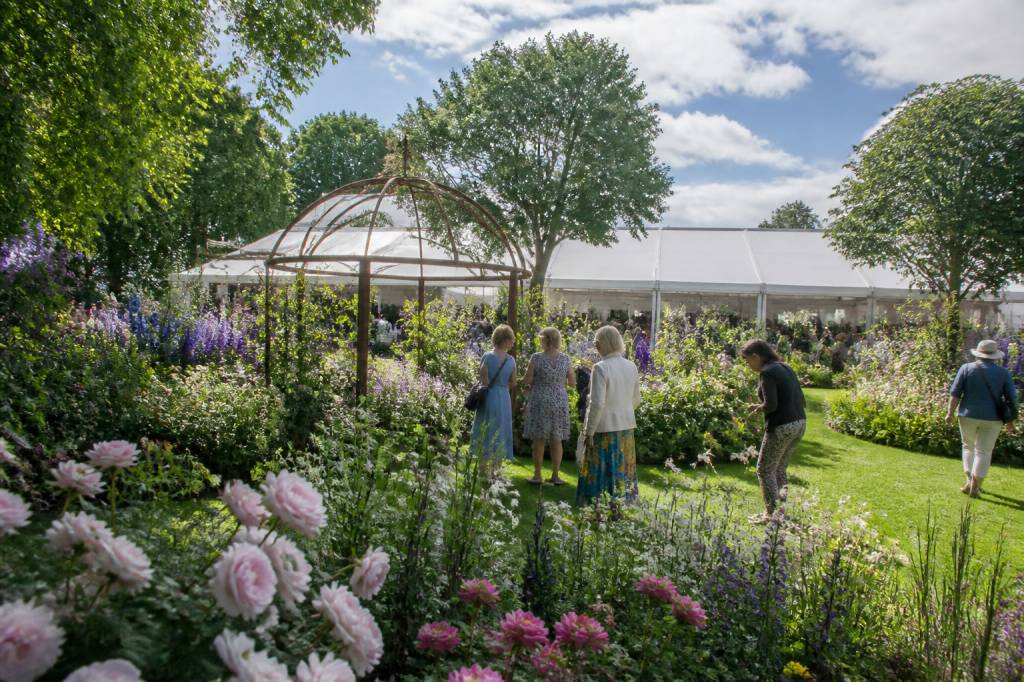
The golden flowers of Adonis are especially effective when paired with plants that bloom in cool shades. Blue scilla, purple crocuses and pale hellebores create a gentle spring palette, while white snowdrops make the yellow petals appear even brighter.
For a naturalistic look, allow the plants to weave between stones or beneath deciduous shrubs. For a more formal display, repeat small groups along the edge of a path or border. Adonis is a modest plant, so it often looks best when planted in company rather than asked to fill a large space alone.
And when the first flowers open on a bright morning, pause for a moment. There is something deeply hopeful about a plant that chooses the beginning of spring to shine. With sunlight, drainage and a little patience, Adonis will return year after year to offer that same small golden greeting—quiet, graceful and perfectly timed.