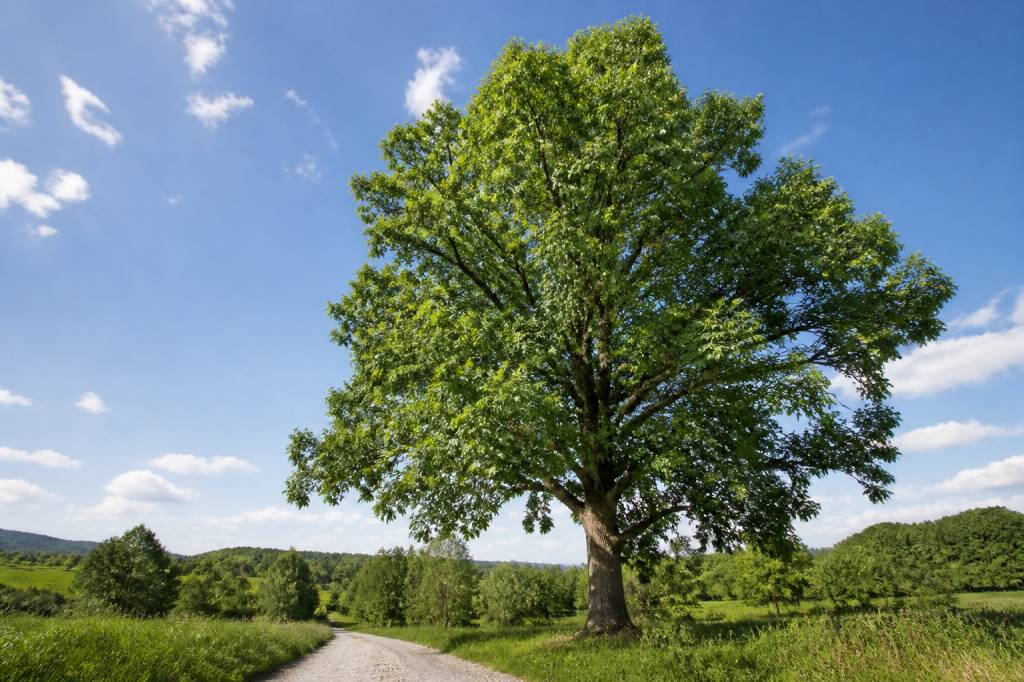
Few trees bring such quiet drama to a garden as an acer. In spring, its fresh leaves unfold like delicate fans; in summer, they offer soft, dappled shade; and in autumn, the foliage can glow in shades of amber, copper, crimson and plum. Yet before planting one, there is an important question to ask: how tall do acer trees grow?
The answer depends on the type of acer, the variety you choose and the conditions in your garden. Some Japanese maples remain compact enough for a patio pot, while other acer species become impressive landscape trees several metres tall. Choosing the right one is rather like choosing a coat: it needs to suit the space, not merely look beautiful in the shop.
How tall do acer trees grow?
Acer trees can grow anywhere from around 60 centimetres to more than 20 metres in height. The word “acer” covers a large family of trees and shrubs, so there is no single typical size.
For most home gardens, the acers people commonly plant fall into three broad groups:
- Dwarf and compact acers: usually 60 centimetres to 1.5 metres tall.
- Medium-sized Japanese maples: commonly 1.5 to 4 metres tall.
- Larger maple trees: often 10 to 25 metres tall, depending on the species.
Growth is also influenced by the tree’s age, soil, available moisture, light levels and pruning. A young acer may appear to sit quietly in the garden for several years before gradually developing its elegant shape. This is not a sign that anything is wrong. Many acers are naturally slow or moderate growers, and their patience is part of their charm.
Japanese maple acers: the popular garden choice
When gardeners in the UK talk about planting an acer, they are often thinking of a Japanese maple, such as Acer palmatum or Acer japonicum. These trees are treasured for their finely cut leaves, graceful branches and rich autumn colour.
Most Japanese maples are ideal for smaller gardens because they remain relatively modest in size. Depending on the cultivar, they may grow as rounded shrubs, upright small trees or elegant weeping forms.
- Small cultivars: around 60 centimetres to 1.2 metres tall.
- Medium cultivars: approximately 1.5 to 3 metres tall.
- Larger Japanese maples: around 4 to 6 metres tall, sometimes more in perfect conditions.
For example, a compact variety such as ‘Acer palmatum ‘Koto Hime’’ may remain close to 1 metre tall after many years. A graceful weeping cultivar such as ‘Dissectum’ may reach around 1.5 to 2 metres, although it can become wider than it is tall. Meanwhile, an upright variety such as ‘Bloodgood’ may eventually reach 4 to 5 metres in a sheltered garden.
Plant labels are especially useful here. They often describe the expected height after 10 years, rather than the tree’s ultimate size. This gives you a helpful idea of how quickly it will fill its space, but it does not always tell the whole story. Some acers continue to grow slowly for decades.
Common acer varieties and their mature height
Understanding the likely size of a particular variety makes planning much easier. Here are some popular choices for UK gardens:
- Acer palmatum ‘Atropurpureum’: generally 3 to 5 metres tall, with deep red-purple leaves.
- Acer palmatum ‘Bloodgood’: commonly 4 to 5 metres tall, although larger specimens are possible.
- Acer palmatum ‘Dissectum’: usually 1.5 to 2 metres tall, with a spreading or weeping habit.
- Acer palmatum ‘Osakazuki’: often 3 to 4 metres tall, famous for vivid scarlet autumn foliage.
- Acer palmatum ‘Sango-kaku’: around 4 to 5 metres tall, with coral-coloured young branches.
- Acer palmatum ‘Koto Hime’: usually under 1 metre, making it suitable for containers and small spaces.
- Acer japonicum ‘Aconitifolium’: approximately 3 to 5 metres tall, with deeply divided leaves.
These figures are guides rather than guarantees. A tree in a sheltered, fertile garden may grow more generously than the same cultivar in a windy or dry position. The eventual width is just as important as the height, particularly for trees with a spreading canopy.
How tall do larger acer species become?
Not all acers are small ornamental trees. Several species grow into substantial landscape trees and need plenty of room to spread their roots and branches.
Acer platanoides, commonly known as the Norway maple, can reach 15 to 20 metres or more. Acer pseudoplatanus, the sycamore, may grow to 20 or even 30 metres in suitable conditions. The field maple, Acer campestre, is more modest but can still reach 10 to 15 metres over time.
These larger species are magnificent in parks, large country gardens and open spaces. In a small suburban garden, however, they may eventually become rather too enthusiastic. A tree that looks perfectly innocent in a garden centre pot can become a leafy neighbour with ambitions several decades later.
Before planting a large acer, consider its mature height and spread, the position of nearby buildings, overhead wires, paths and boundaries. It is also sensible to check local planning restrictions, particularly if the tree is intended for a front garden or a conservation area.
How quickly do acer trees grow?
Most Japanese maples grow slowly to moderately, often putting on around 15 to 30 centimetres of height each year once established. Some vigorous varieties may grow more quickly in good conditions, while dwarf cultivars can increase by only a few centimetres annually.
Larger acers, such as sycamores and Norway maples, may grow around 30 to 60 centimetres per year when young. Their growth usually slows as they mature. Water, soil quality and exposure make a noticeable difference, especially during the first few summers.
Acer growth may be slower if:
- The soil is very dry or waterlogged.
- The tree is exposed to strong winds.
- Its roots are competing with grass, hedges or nearby mature trees.
- It receives harsh midday sun, particularly with delicate-leaved varieties.
- It has been planted too deeply.
- It is regularly pruned to control its size.
A little patience goes a long way. An acer does not need to race upwards to make an impression. Its branching shape and changing colour often provide beauty long before it reaches full size.
Does pruning keep an acer small?
Pruning can influence the shape and size of an acer, but it should not be used as a way to turn a naturally large tree into a tiny one. Regular hard cutting may spoil the tree’s elegant structure, encourage weak shoots and create unnecessary stress.
Japanese maples generally need very little pruning. Remove dead, damaged or crossing branches during the dormant season, usually from late winter into early spring. Avoid heavy pruning in spring when sap is rising, as this can lead to bleeding from the cuts.
If an acer is growing in a container, its size can be managed more easily. Root restriction naturally limits growth, while occasional repotting keeps the tree healthy. A container-grown acer may remain around 1 to 2 metres tall for many years, depending on the variety and pot size.
When choosing a tree, it is much kinder to select a naturally compact cultivar than to rely on constant pruning. The best gardening solutions often begin with the right plant in the right place.
Choosing the right acer for your garden
Start by measuring the available space. Do not only look upwards; consider how wide the tree may become and how its branches will develop. A weeping acer might be only 1.5 metres tall but could spread 2 metres or more across a border.
For a small courtyard or balcony, look for dwarf Japanese maples that are happy in containers. Varieties with finely divided leaves can create a delicate focal point without overwhelming the space.
For a medium-sized lawn or border, a tree reaching 2 to 4 metres may offer the perfect balance. It can provide seasonal interest while remaining easy to appreciate from a nearby window or seating area.
For a large garden, you may have room for a more vigorous Japanese maple or one of the larger native species. Just remember that a generous lawn today may become a shaded area in twenty years. Trees are long-term garden companions, so it helps to imagine the scene well into the future.
Where should an acer be planted?
Most Japanese maples prefer a sheltered position with bright, indirect light or gentle morning sun. Too much strong midday sunlight can scorch their leaves, especially varieties with green, golden or finely cut foliage. Deep shade, however, may reduce autumn colour and produce a less balanced shape.
Protection from strong winds is important. Drying winds can tear delicate leaves and cause brown edges during summer. A position near a wall, fence or taller shrub can provide shelter, but leave enough space for good air circulation.
The soil should be fertile, moist but well drained. Acers dislike sitting in permanently wet ground, yet they also struggle if their roots dry out repeatedly. Adding compost or well-rotted organic matter before planting can improve the soil’s structure.
Mulch around the base each spring, keeping it a few centimetres away from the trunk. This helps conserve moisture, suppress weeds and keep the roots cool. During dry spells, water deeply rather than giving the tree a quick sprinkle. Young trees need particular attention during their first two or three growing seasons.
Growing acers in pots
Acer trees are wonderfully suited to container gardening, especially the smaller Japanese maple varieties. A potted acer can bring colour to a patio, terrace or balcony where planting directly into the ground is not possible.
Choose a sturdy container with drainage holes and use a good-quality, moisture-retentive compost. The pot should be heavy enough to prevent the tree from toppling in windy weather. Raise it slightly on pot feet so excess water can escape freely during the wet months.
Container-grown acers need more regular watering than those planted in the ground. Check the compost during warm summer weather, but avoid leaving the pot standing in a saucer of water. Feed lightly in spring with a balanced slow-release fertiliser, following the product instructions.
Every few years, the tree may need to be moved into a slightly larger pot or have some of its old compost replaced. Avoid jumping straight into a very large container, as excess compost can hold too much moisture around the roots.
What if an acer becomes taller than expected?
If your acer is outgrowing its position, do not panic. First, identify the variety if possible and check whether the tree is truly too large or simply becoming fuller with age. Removing a few carefully chosen branches may improve the shape without damaging its character.
For a young tree, transplanting may be possible while it is dormant, provided the root ball can be lifted with care. Smaller specimens have a much better chance of recovering than mature trees. Water thoroughly after moving and protect the tree from drying winds while it re-establishes.
For a large, established acer near buildings or boundaries, seek advice from a qualified tree professional. Mature trees can be heavy and difficult to prune safely, and careless cutting may lead to decay or unstable growth.
A tree that grows with the seasons
The height of an acer is only one part of its story. Its real magic lies in the way it changes throughout the year. Tender spring leaves bring a sense of renewal, summer foliage creates a cool green canopy and autumn turns the garden into a small theatre of colour.
Whether your acer remains a little potted jewel or grows into a graceful small tree, choose a variety whose mature size suits your garden. Give it shelter, steady moisture and room to develop naturally. Then, with a little patience, you can enjoy one of gardening’s gentlest pleasures: watching a beautiful tree become more itself with every passing season.