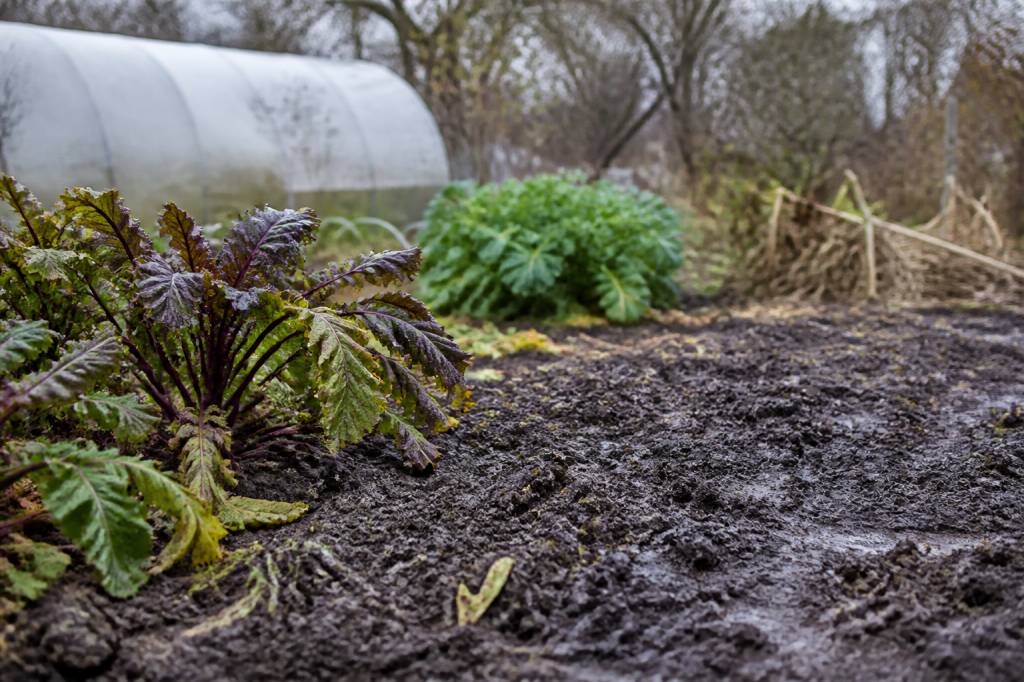
Winter rain in the UK can be a blessing and a challenge at the same time. I love the way it replenishes our gardens, fills water butts, and softens the landscape, yet I also know how easily constant wet weather can damage the living structure of soil. When the ground stays saturated for long periods, air is pushed out of the pore spaces, roots struggle to breathe, worms move differently, and delicate soil organisms become less active. My aim in winter is not to fight the rain, but to protect the life beneath our feet so the soil can recover quickly when spring returns.
Why soil life matters in wet winter weather
I always remind myself that soil is not just dirt. It is a living system made up of fungi, bacteria, worms, insects, root hairs, organic matter, water, and air. In a healthy garden, these life forms work together to break down dead material, cycle nutrients, improve structure, and support plant health. When heavy rain arrives again and again, that balance can be disturbed.
In saturated soil, oxygen levels drop. Beneficial microorganisms that need air slow down, and anaerobic conditions can encourage less helpful processes. Compaction becomes more likely if I walk on wet ground, and compacted soil loses the open channels that worms and roots need. Over time, this can lead to poor drainage, weaker spring growth, and bare patches that are more vulnerable to erosion. Protecting soil life in winter is one of the best things I can do for the whole garden.
Keep feet off wet soil whenever possible
One of the simplest and most effective things I do is avoid stepping on waterlogged beds. I never underestimate how much damage a single footstep can do when the soil is soft and saturated. Repeated pressure squeezes out air and crushes the tiny pore spaces that soil life depends on.
If I need access to a bed during winter, I use boards, stepping stones, or a fixed path. In a larger garden, I try to design the layout so I can reach everything without crossing growing areas. This is one of those permaculture ideas that pays off year after year: good access reduces disturbance, and less disturbance means healthier soil biology.
- I create permanent paths between beds.
- I use a plank or board as a temporary walkway when I must enter a wet area.
- I avoid digging, turning, or heavy cultivation during saturated periods.
- I plan winter tasks so they happen from the edges whenever possible.
Cover bare ground with mulch or living cover
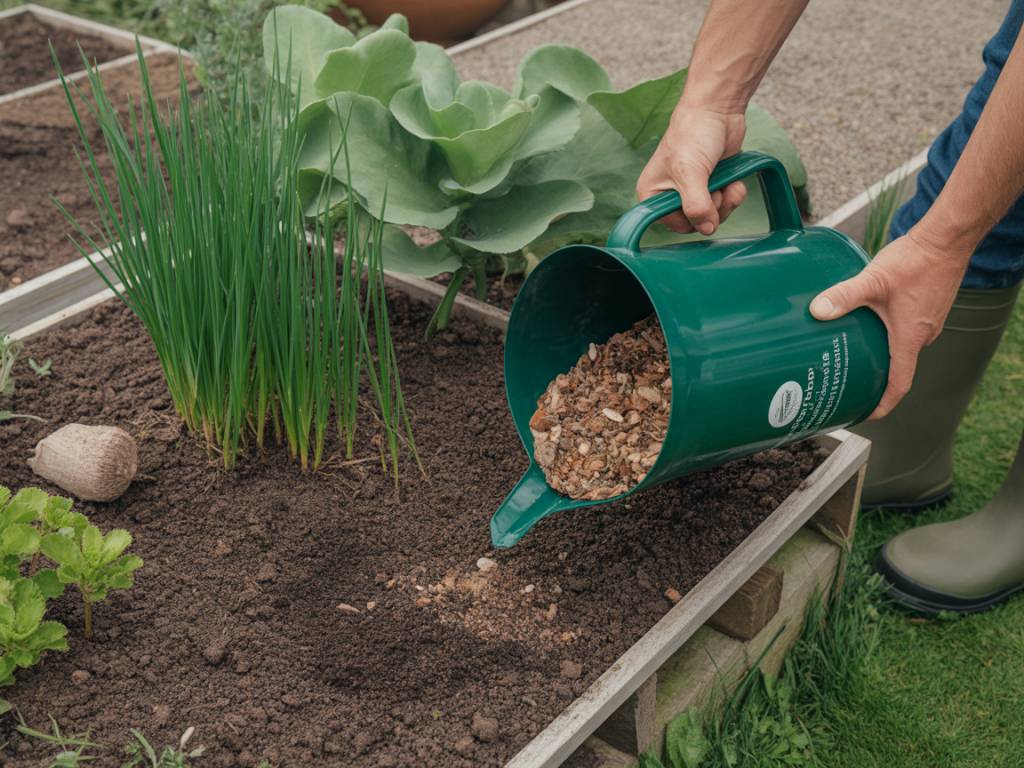
Bare soil suffers in winter rain. Without protection, raindrops hit the surface directly, breaking up aggregates and washing fine particles away. I like to cover exposed soil with a generous layer of organic mulch. This can be shredded leaves, well-rotted compost, woodchip on paths, straw in some situations, or a mix of autumn leaf mould and garden compost. The goal is to cushion the soil, slow the impact of rain, and feed the life below.
Mulch also helps regulate temperature and reduces the formation of a hard crust. Earthworms pull organic matter down into the soil, and fungi help bind particles together into stable crumbs. That structure is invaluable in a wet British winter. If I have space for winter cover crops, I will sow them earlier in the season so they can protect the ground through the rain. A living root system keeps feeding soil organisms even when the main harvest beds are empty.
- Use leaf mould on vegetable beds after harvest.
- Spread compost around perennials to feed soil life gradually.
- Grow green manures on any bed that will sit empty for months.
- Leave roots in place when removing annual crops, if the plants are healthy, so the soil stays anchored.
Choose the right mulch for the job
I like to match the mulch to the condition of the bed and the season. In winter, I prefer materials that protect without smothering. A light, airy mulch is often better than a thick, wet blanket that can hold too much moisture against the surface. The aim is to let the soil breathe while still shielding it from heavy rain.
On vegetable beds, compost and leaf mould are my favourite winter covers because they add organic matter quickly and are gentle on soil biology. In ornamental borders, I may use well-rotted bark or chipped prunings, especially if I want long-lasting protection. Around fruit bushes and trees, a broad mulch ring helps hold moisture steady and supports the fungal networks that many woody plants appreciate.
I avoid burying the crown of plants or piling mulch directly against stems. Air flow matters, and I want to prevent rot. A little care here makes a big difference.
Improve drainage without disturbing the soil too much
Sometimes the problem is not simply too much rain, but water that has nowhere to go. If an area regularly becomes waterlogged, I look first at the structure of the soil and the shape of the bed. I prefer to improve conditions gently rather than resorting to drastic digging.
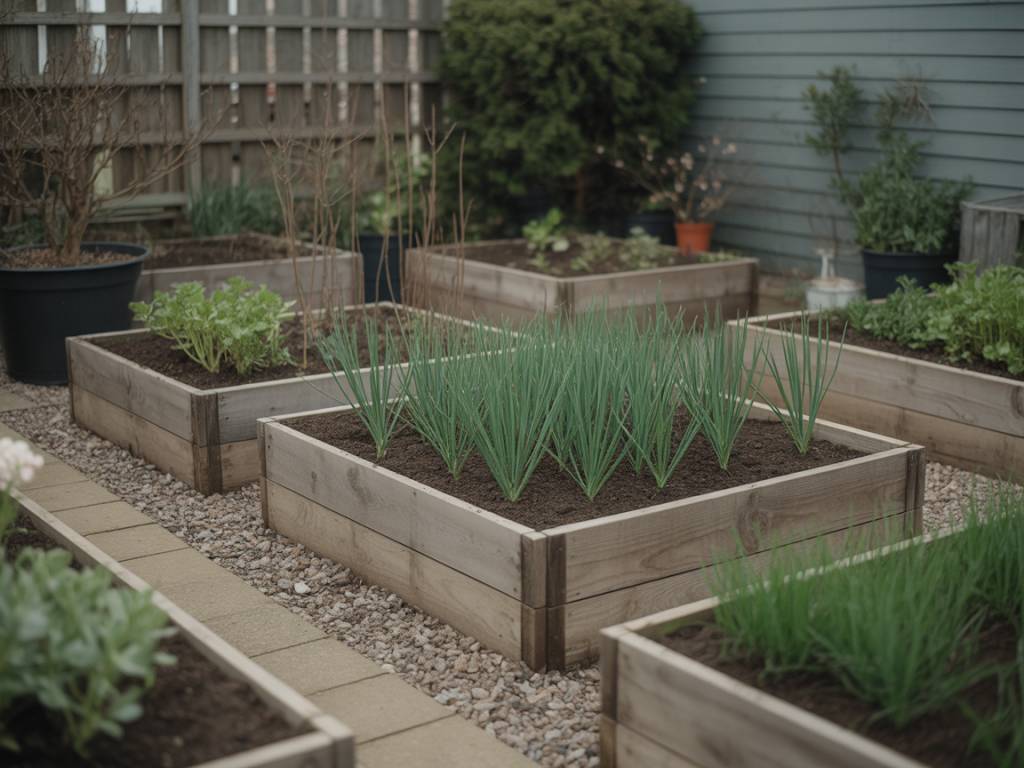
Raised beds can be a wonderful solution in persistently wet areas because they keep the root zone above the worst of the saturation. In existing borders, adding organic matter over time improves aggregation and drainage naturally. If there is a real structural issue, such as a compacted subsoil layer, I may use a broadfork very carefully in a dry window to lift and aerate without inverting layers. I do not rush this work in winter rain; timing matters just as much as technique.
- Add organic matter regularly rather than trying to “fix” the soil in one go.
- Use raised beds where drainage is chronically poor.
- Check for blocked gutters, overflowing paths, or runoff from nearby surfaces.
- Redirect excess water with shallow swales or gentle channels if the garden design allows it.
Protect worms and fungi as the quiet workers of winter
When I think about soil life, I often think of worms and fungi first. Worms help incorporate organic matter and create channels for air and water. Fungal networks help bind soil together and move nutrients between roots and decomposing material. Winter rain can reduce their activity, so I do what I can to support them.
I never leave soil exposed if I can help it, and I avoid synthetic fertilisers that can upset the balance of microbial life. Instead, I feed the soil slowly with compost, well-rotted manure, and plant residues. I also try to leave some stems, seed heads, and root systems in place for as long as they are useful. A garden that is tidied too aggressively can lose a lot of habitat and food for beneficial organisms.
If slugs and snails become a concern, I manage them with observation, habitat balance, and physical barriers rather than blanket treatments that may harm non-target life. In a natural garden, every action has ripple effects, so I try to respond with restraint and intelligence.
Work with winter structure, not against it
Winter is not the time for me to force the garden into a summer routine. I use this season to observe water movement, soil texture, and the places where life struggles most. Wet weather reveals the hidden patterns of the garden. I notice where puddles linger, where the ground drains well, and where paths collect runoff. These observations guide future improvements.
I also use winter to think ahead. If I know that a bed becomes muddy every year, I can add a permanent mulch layer, redesign access, or switch to crops that suit the conditions. If a border stays too wet for a particular plant, I move it to a better place and choose something more tolerant for the site. Good gardening is not about imposing a perfect system; it is about understanding the site and adapting to it.
- Observe where water sits after a heavy shower.
- Note which areas are damaged by winter traffic.
- Plan next season’s paths, beds, and planting with drainage in mind.
- Choose plants that suit the natural moisture levels of each part of the garden.
Use plant diversity to strengthen the soil ecosystem
I always encourage a diverse planting scheme because diversity supports soil resilience. Different root depths, root shapes, and growth habits feed different microorganisms. A varied garden creates a more stable underground community, which helps the soil cope better with wet winters and dry summers alike.
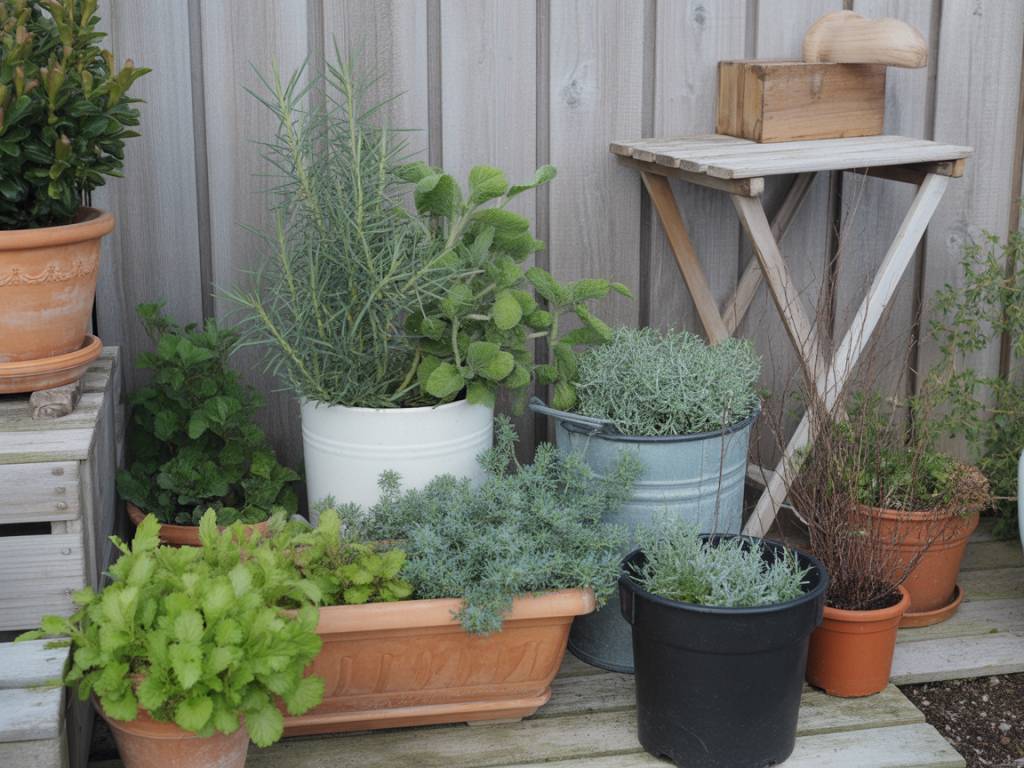
In practice, that means I mix perennials, shrubs, herbs, and seasonal crops where possible. I avoid leaving large monoculture areas bare or exhausted. Even in a small garden, diversity can be built through companion planting, mixed borders, and a rotation of annual vegetables with legumes, leafy crops, and root crops. The more varied the root activity, the more alive the soil becomes.
Handle pruning and cleanup with care
Winter rain often tempts gardeners to rush through cleanup, but I prefer a gentler approach. Old stems, leaf litter, and spent growth are not waste by default. They can shelter insects, protect the soil, and slowly break down into food for microbes. I remove only what is diseased, unsafe, or truly in the way.
When I do prune, I keep the clippings as mulch if they are healthy. I shred them if needed so they decompose more evenly. I also avoid composting anything that may spread disease unless I am certain my compost system can handle it. Careful cleanup protects the living soil while keeping the garden tidy enough to work in.
Small winter habits that make a big difference
The habits I keep in winter are often simple, but they add up. I try to visit the garden after heavy rain with an observing eye rather than a busy one. I resist the urge to dig when the soil is sticky. I feed the ground instead of stripping it bare. I protect pathways and use mulch generously. Most importantly, I remember that winter rain is not an enemy, only a condition to work with.
When I protect soil life through the wet months, I am really investing in the whole future of the garden. Spring comes with better structure, more worms, stronger roots, and a richer, more resilient growing environment. That is the reward for a little patience and a lot of respect for the living ground.
Samanta