


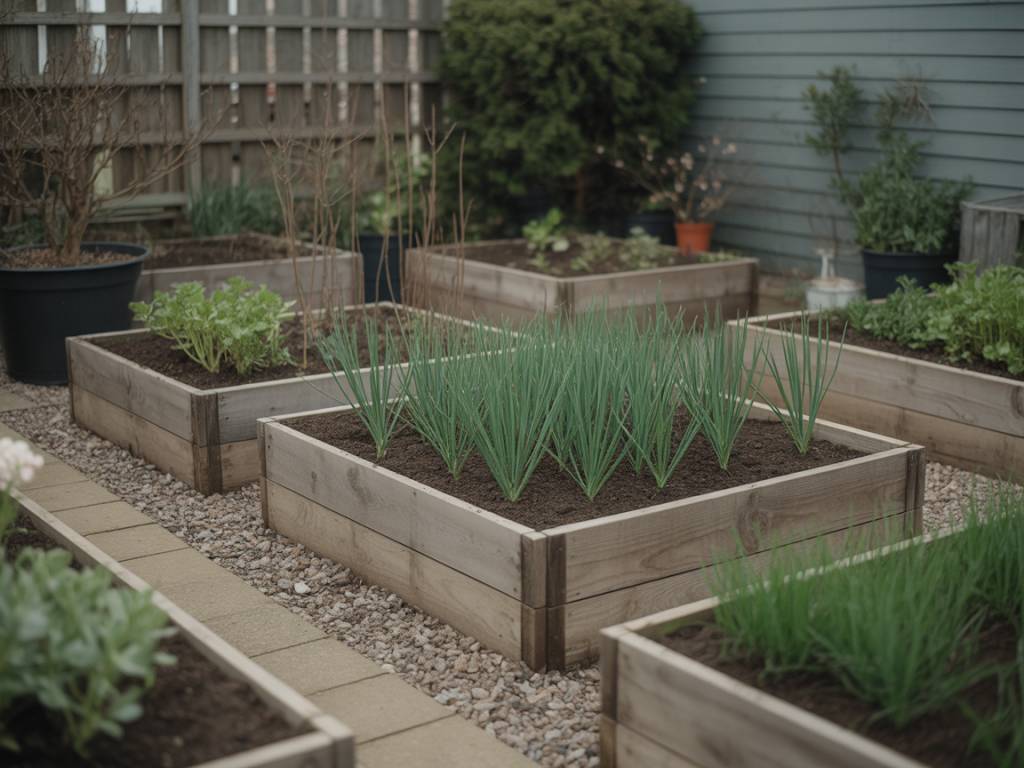
Why Winter Matters So Much for Small UK Gardens
When the days get short and the soil turns heavy and cold, most people stop thinking about the garden. I do the opposite. In our UK climate, winter is when I quietly set up the whole growing year ahead, especially in small gardens where every bed and every inch of soil counts.
Instead of seeing winter as a dead season, I see it as a time when the life in the soil slows down, rests, and reorganises. My main job is to protect that life rather than disturb it. If you garden in a courtyard, tiny terrace, or a narrow city plot, the way you care for your soil in winter can make the difference between struggling plants and a lush, productive spring.
Here’s how I look after my beds in winter, using gentle, nature-friendly methods inspired by permaculture.
Let the Soil Creatures Do the Digging
In winter I avoid digging as much as possible. I think of the soil as a living city full of fungi, worms, beetles, and billions of bacteria, all building pathways and structures that help plants grow. Every time I turn the soil, I wreck their homes and break up their networks.
Instead of digging, I favour a “no-dig” or “minimal dig” approach. In a small UK garden, this has several big advantages:
- Less work for you – who really wants to be out double-digging heavy clay in January?
- Better soil health – intact soil structure helps with drainage and water holding.
- Fewer weeds long-term – buried seeds don’t get brought to the surface.
My winter routine is simply to cut spent plants at ground level and leave their roots in place. Those old roots slowly break down, feeding the soil and leaving tiny channels that carry water and air deep underground. It’s an easy, low-effort way to improve structure in small beds where every centimetre matters.
Mulching: Your Garden’s Winter Duvet
Mulch is my main tool in winter. I often call it the soil’s duvet. In a small UK garden, a good mulch layer does an amazing amount of work for you:
- It protects soil life from heavy rain, wind, and freezing temperatures.
- It slowly feeds the living soil as it breaks down.
- It suppresses winter and early spring weeds.
- It prevents compaction from constant rainfall.
Some of my favourite winter mulches for small spaces are:
- Leaf mould or bagged autumn leaves – perfect if you’ve saved leaves in bags or a corner of the garden.
- Homemade compost – even a thin layer of half-finished compost is valuable.
- Well-rotted manure – only if it’s old and crumbly, to avoid burning plant roots.
- Straw or hay – especially around perennials and fruit bushes.
In winter I spread a layer 3–5 cm thick over my bare beds and around perennials, keeping a slight gap around the stems to avoid rot. If you only have a very small area, even a bucket or two of compost or leaf mould is worth spreading. A thin layer is better than nothing.
Using Cover Crops in Tight Spaces
If your beds are empty from late autumn, consider a living mulch or cover crop. Even in a small UK garden, a modest patch of green can:
- Protect the soil surface from erosion.
- Capture nutrients that might be washed away by winter rain.
- Feed soil microbes through root exudates all winter long.
Some gentle, small-garden-friendly choices are:
- Field beans – especially good ahead of brassicas and leafy veg.
- Winter rye or phacelia – tough, quick cover for empty beds.
- Mixed clovers – low-growing, attractive, and fix nitrogen.
If I sow cover crops late, they might not grow much before deep winter, but even a little root growth helps the soil. In late winter or early spring, I simply cut them down at ground level and lay the tops on the soil like a mulch. I let the roots break down where they are, then plant through the surface layer once it has wilted and softened.
Gentle Winter Bed Clean-Up (Without Stripping Everything Bare)
In tiny gardens we often feel pressure to keep things very tidy, especially if neighbours or landlords are watching. I try to balance neatness with wildlife needs and soil care.
Through winter, I:
- Leave some seed heads on perennials and grasses for birds and beneficial insects.
- Cut tall, soggy stems down only when they’re clearly collapsing or harbouring disease.
- Remove and bin diseased material (rusty leaves, blight, mouldy fruit) rather than composting it.
- Leave a few undisturbed corners with leaves and stems for overwintering insects.
For the main growing beds, I focus on clearing only what’s necessary for spring planting. I cut annual veg at the base, tidy obvious mess, then mulch or sow a cover crop. I avoid stripping beds right back to bare earth; a naked soil is a stressed soil.
Looking After Soil Structure in Wet UK Winters
Many of us garden on heavy or compacted soil, and British winters can really punish it. Constant rain and foot traffic turn beds into a sticky mess that is hard to work in spring.
To protect structure in small gardens, I rely on a few simple habits:
- Stay off wet beds – I use stepping stones or wooden planks if I need to reach the middle.
- Keep paths clear and firm – woodchip paths are wonderful; they drain well and eventually break down into rich material you can reuse.
- Top-dress pots and containers with compost or leaf mould to prevent crusting and compaction at the surface.
If your beds are raised, winter is when they really show their benefits. Better drainage means less waterlogging, and mulching raised beds helps them hold moisture for the drier months ahead.
Planning Crop Rotations and Bed Layouts
During the darker months, I like to take a notebook and think through where everything will grow next year. In a small space, crop rotation does not need to be complicated, but it is still important.
I keep it simple by grouping plants into broad families and moving them around the beds each year to reduce pests and diseases:
- Brassicas – cabbage, kale, sprouts, broccoli.
- Legumes – peas, beans.
- Roots – carrots, parsnips, beetroot.
- Fruit/leaf crops – tomatoes, courgettes, salad leaves.
In winter I walk around my tiny plot and imagine the layout, taking light, wind, and access into account. I mark rough plans for where each group will move. This helps me decide which beds must stay more clear and which can be packed with perennials, herbs, or longer-term plantings.
Preparing Perennials and Fruit for the Spring Rush
Winter is also when I show some love to the permanent residents of my garden: fruit bushes, herbs, and ornamental perennials that support pollinators and beneficial insects.
In small UK gardens I usually:
- Mulch around soft fruit bushes (currants, raspberries, blueberries) with compost or well-rotted manure, avoiding direct contact with stems.
- Trim dead or diseased stems from perennials once insects have had a chance to finish with them.
- Top-dress herbs in pots with a little fresh compost, especially if I don’t plan to repot them this year.
These quiet winter jobs mean my perennials start spring with full access to nutrients and protected, living soil around their roots.
Starting Early Crops Without Disturbing the Soil
Towards late winter, I begin to think about the earliest sowings. Rather than rushing into the cold beds, I often take advantage of containers, cold frames, and windowsills.
To keep the soil undisturbed and protected for as long as possible, I like to:
- Sow hardy salads and spinach in trays or containers first, then move them outside once they’re stronger.
- Use small cloches or recycled plastic covers to warm a patch of soil in place a couple of weeks before planting.
- Leave mulch in place until just before planting, only parting or gently scraping it aside where I need to sow or transplant.
In a small garden, even a few early trays of lettuce or broad beans can give you a big head start without churning up the beds too soon.
Working with Winter, Not Against It
Winter gardening in the UK is less about doing more and more about doing the right small things. Protecting soil life, keeping roots in the ground, and giving beds a soft blanket of organic matter are quiet acts, but they transform the way the garden wakes up in spring.
In compact spaces, where every bed has to work hard for you, this gentle, soil-first approach is especially powerful. If you care for the hidden world beneath your feet through winter, it will repay you many times over when the days lengthen and the first new shoots appear.
Warmly,
Samanta