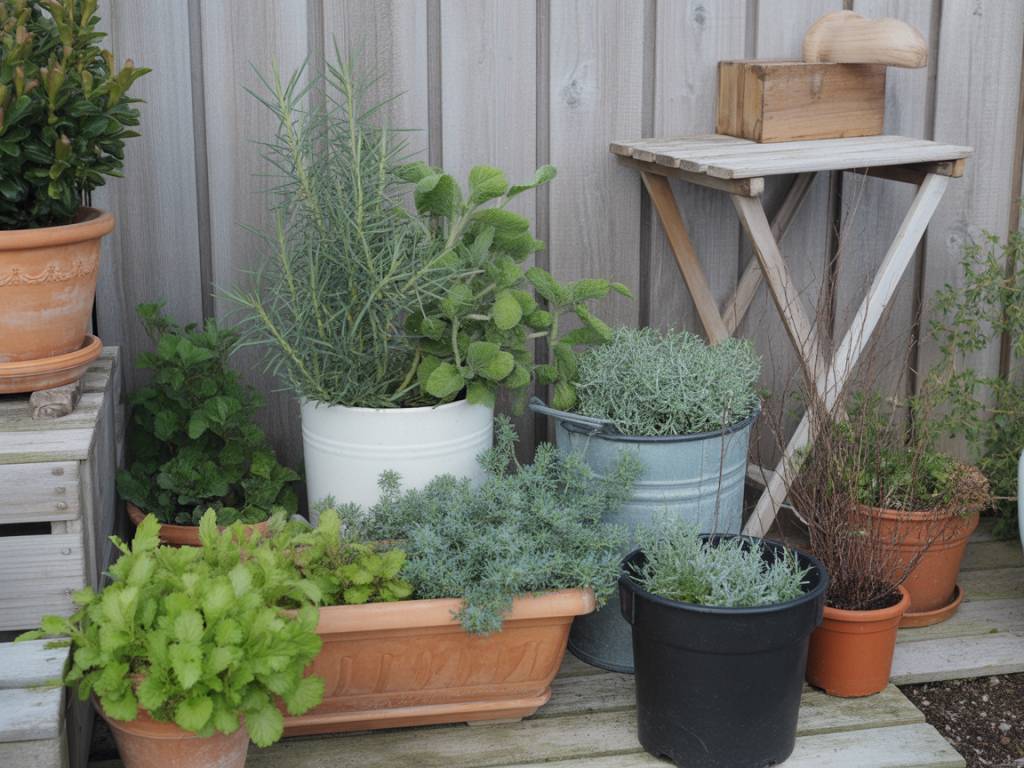
Why I Love Winter Container Gardening
I often hear people in the UK say that their garden “goes to sleep” in winter, especially when they only have a balcony, courtyard, or tiny patio. I don’t see it that way at all. For me, winter container gardening is a quiet, beautiful season where structure, foliage and texture shine more than flowers. With the right cold-hardy plants, good soil choices and a few simple permaculture-inspired habits, small spaces can stay alive and nourishing all winter long.
In our climate, winter isn’t just about surviving frost and rain; it’s about working with them. Containers let me move plants, protect roots, and build rich living soil in miniature. I think of every pot as a tiny ecosystem that I can adjust, observe and improve over time.
Choosing the Right Containers for a UK Winter
The container itself is just as important as the plant. In winter, roots are more vulnerable to cold and waterlogging, so I pay close attention to materials, drainage, and placement.
Here’s what I look for:
- Frost-resistant materials: I find thick terracotta marked as frost-proof, wooden planters lined with hessian or cardboard, and sturdy plastic or fibreglass pots hold up best to repeated freezes and thaws.
- Generous drainage holes: Winter rain is relentless. I always make sure there are multiple holes and I raise pots slightly on feet, bricks or bits of broken tile so water can flow out freely.
- Size matters: Bigger pots buffer temperature swings better than small ones. I prefer deeper containers for perennials and shrubs to protect roots from freezing winds.
- Shape and stability: On balconies or windy patios, broad, heavy containers are safer. Tall, narrow pots can topple when storms roll through.
I also think about where I place each pot. Against a house wall, especially a south- or west-facing one, the microclimate is usually milder. I use these spots for borderline-hardy plants or for edibles I want to keep picking through winter.
Building Living Soil in Containers
A lot of winter problems in pots come down to tired, compacted compost that doesn’t drain well and has very little life in it. I try to treat container soil the same way I treat my beds: as a living community, not an inert growing medium.
For winter pots, I usually mix something like this:
- Base: A good-quality peat-free compost (I avoid cheap bags that turn to slop in heavy rain).
- Structure: Around a quarter by volume of horticultural grit, sharp sand, or fine gravel to improve drainage.
- Organic matter: A couple of generous handfuls of well-rotted garden compost or leaf mould to bring in life, fungi and beneficial microbes.
- Minerals: A light sprinkling of rock dust or crushed eggshells if I have them, to gently replenish minerals washed out by constant winter rain.
I never use fresh manure in containers, especially in winter. It can scorch roots and encourage soft, weak growth just when plants need to harden off. Instead, I think in terms of slow, steady nourishment.
One of my favourite permaculture-inspired habits is to mulch my containers, even in small spaces:
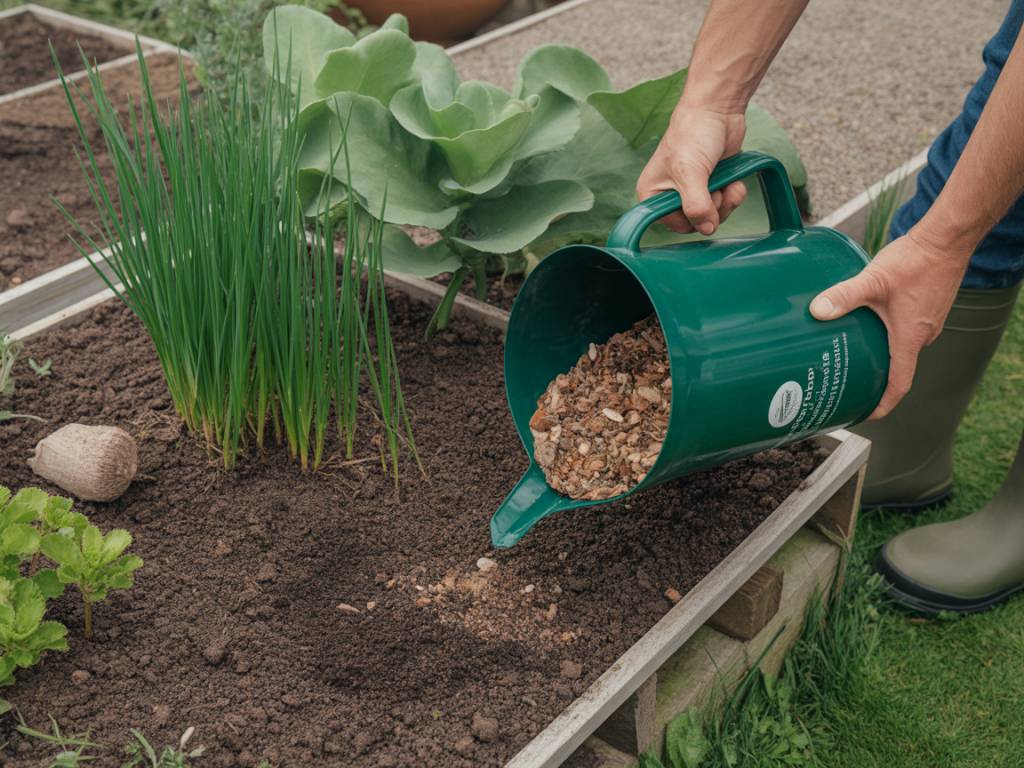
- Leaf mulch: A loose layer of autumn leaves, torn into smaller pieces, around perennials acts like a blanket and slowly feeds the soil.
- Straw or hay: Around winter veg and herbs, a thin layer helps buffer temperature changes and reduces soil splash in heavy rain.
- Home-made compost as a top-dress: In late autumn, I spread a thin layer of my own compost over the surface of each pot. Worms and microbes do the rest.
I also avoid empty, bare soil in any container. If I have a gap, I tuck in a cold-hardy groundcover or a few winter salad leaves to keep the surface protected and productive.
Cold-Hardy Plants That Thrive in UK Containers
I like to mix structure, evergreen foliage, subtle colour and a few edible treats so my containers look good and earn their keep all winter. Here are some plants that have done well for me in UK winters.
Evergreens for structure and year-round interest
- Heuchera: Their foliage comes in gorgeous shades of burgundy, lime, and caramel. They cope well with cold and look lovely spilling over the edges of pots.
- Evergreen ferns: Ideal for shady balconies or north-facing corners. I like to pair them with moss and small bulbs for a woodland feel.
- Dwarf conifers: Slow-growing and hardy, these add height and a sense of permanence to winter arrangements.
- Box alternatives: Small-leaved evergreen shrubs like Lonicera nitida or Ilex crenata can be clipped into shapes without the pest problems box now faces.
Flowering plants for winter colour
- Winter pansies and violas: They flower for months if I deadhead regularly. I tuck them around shrubs or herbs as cheerful edging.
- Hellebores: Their nodding blooms carry me through the darkest weeks. In containers, I give them a rich, well-drained mix and a shady or semi-shady spot.
- Cyclamen coum and Cyclamen hederifolium: Tiny, tough and perfect for the edge of a pot under shrubs or small trees.
- Winter heathers (Erica): These bring soft clouds of colour and are loved by early bumblebees on milder days.
Herbs and edibles for winter harvesting
- Rosemary, thyme and sage: These Mediterranean herbs prefer free-draining compost with added grit. I avoid waterlogged spots and they stay aromatic all winter.
- Parsley: Surprisingly hardy, especially curly types. I keep a pot near the door so I can snip some even in rain and wind.
- Chard and perpetual spinach: In large, deep containers, these give cut-and-come-again leaves right through winter.
- Winter salads: Lamb’s lettuce (corn salad), mizuna, claytonia and winter lettuces grow beautifully in troughs or window boxes under fleece on very cold nights.
- Garlic: I often plant garlic cloves in deep pots in autumn. They sit quietly through winter and burst into growth as soon as light returns.
Protecting Container Plants from Frost and Wind
Cold itself isn’t always the problem in the UK; it’s the combination of wet, wind and sudden temperature swings. I try to reduce stress by providing a bit of shelter and insulation while still letting air circulate.
Some simple things I do each year:
- Group containers together: Pots shelter each other and create a slightly warmer microclimate, especially if I place them near a house wall.
- Wrap vulnerable pots: I use hessian, old blankets or bubble wrap (discreetly covered) around terracotta pots with tender roots inside. I leave the top of the soil exposed so it can still breathe.
- Lift pots off cold ground: Pot feet, bricks or bits of wood keep roots from sitting in icy puddles and help drainage.
- Fleece on the coldest nights: For borderline plants or winter salads, I drape horticultural fleece over supports to keep the frost off without smothering them.
When a hard frost is forecast, I water sparingly rather than generously. Excess water in the compost can freeze and damage roots, while slightly drier compost cools and warms more gently.
Watering and Feeding in Winter
In winter, I shift my mindset from growth to maintenance. Plants are resting, light is low, and the main aim is to avoid stress.
For watering:
- I check the moisture with my fingers rather than following a schedule. Wind and central heating can dry containers out, even when the air feels damp.
- I water less frequently but more thoughtfully, usually on milder days when temperatures are above freezing.
- I avoid leaving saucers full of water under pots, especially outdoors, as this quickly chills and waterlogs the roots.
For feeding:
- I don’t use high-nitrogen fertilisers in winter containers; they encourage soft growth that frost can easily damage.
- If a pot looks a bit tired, I prefer to top-dress with a thin layer of compost or worm castings, letting nutrients release gently over time.
- When bulbs or early spring plants start to stir, I sometimes add a mild organic liquid feed on a warmer day to support new growth.
Permaculture Habits for Small Winter Spaces
Even in the tiniest UK balcony garden, I like to weave in a permaculture mindset: observe, work with nature, and stack functions so each pot does more than one job.
Some habits that serve me well:
- Layering plants: In a single container, I might combine a small evergreen shrub for structure, trailing ivy or heuchera for groundcover, and bulbs like snowdrops or miniature daffodils for a spring surprise.
- Leaving some seedheads: I don’t clear everything away. Seedheads on grasses or perennials provide food for birds and beautiful winter silhouettes.
- Capturing organic matter: When autumn leaves fall, I gather some to use as mulch in my containers. I see them as a gift, not a nuisance.
- Observing microclimates: I notice which corners stay frost-free longest, where wind is fiercest, and where winter sun lingers. Each year I reshuffle my containers based on what I’ve learned.
For me, winter container gardening in the UK is about quiet care and gentle experimentation. I don’t expect summer abundance, but I do expect life: resilient plants, active soil, visiting birds and the promise of spring in every bud and bulb. Even if all I have is a small balcony rail or a doorstep, I know I can create a tiny, thriving world in a few well-planted pots.
Samanta