


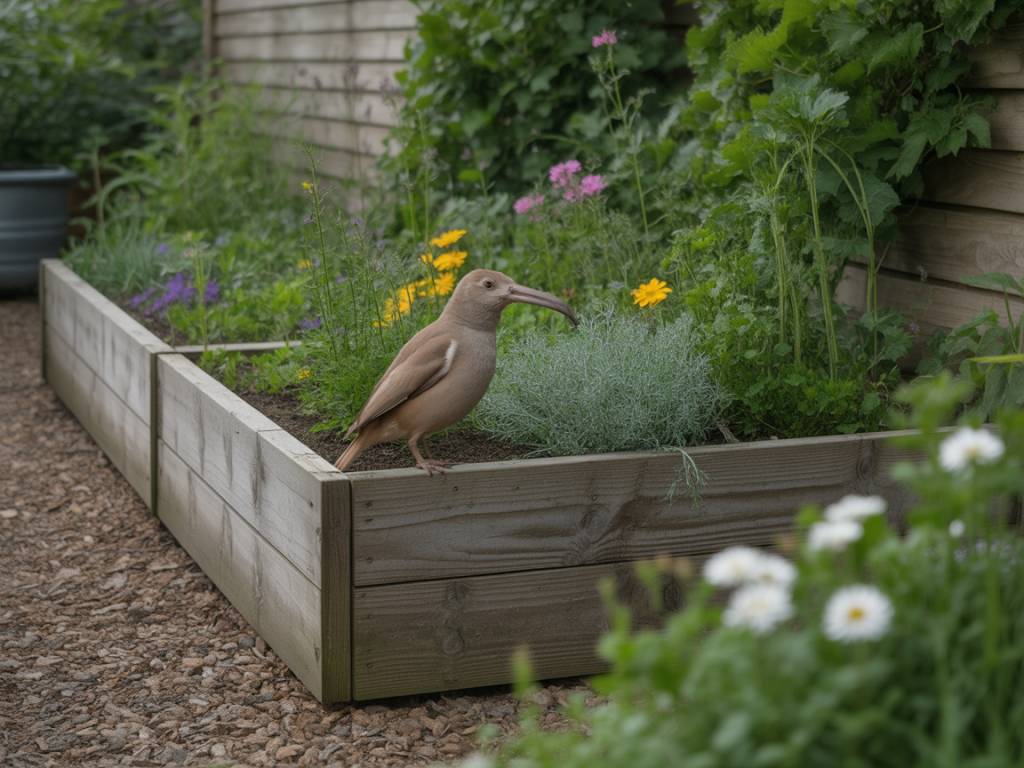
I plan my wildlife-friendly garden in the UK with one simple aim: to make sure something useful, nourishing, or sheltering is always available, no matter the month. I garden with nature rather than against it, and I find that the best gardens are the ones that give back as much as they take. When I design for birds, bees, hedgehogs, butterflies, frogs, and beneficial insects, I am also creating a garden that is more resilient, more beautiful, and far easier to care for in the long run.
Thinking in seasons, not just in borders
When I start planning, I do not think only about how the garden will look in June. I map the whole year. In the UK, our weather can shift quickly, and wildlife needs change from month to month. Spring is about nesting, pollen, and fresh growth. Summer brings nectar, shade, and water. Autumn is a time for berries, seed heads, and building reserves. Winter is when shelter, structure, and food stores matter most.
I look at my garden in layers: trees, shrubs, herbaceous plants, ground cover, climbers, and the soil itself. That layered approach, which is very much in line with permaculture thinking, helps me create habitats at different heights and in different microclimates. A single plant is useful, but a plant community is far better.
Building the backbone with trees and shrubs
If I want wildlife to feel at home, I start with the woody structure of the garden. Trees and shrubs provide nesting sites, wind protection, berries, blossom, and a sense of continuity through the seasons. Even in a small UK garden, I can usually fit at least one small tree or several shrubs, and they make a huge difference.
I favour native or wildlife-friendly varieties wherever possible. Some of my favourites include hawthorn, dogwood, hazel, viburnum, holly, and crab apple. These plants support insects, birds, and other creatures throughout the year. Hawthorn blossom feeds pollinators in spring, while its berries are valuable later on. Holly offers winter shelter and berries. Hazel gives structure, catkins, and nuts, as well as a wonderful place for birds to forage.
I also think carefully about placement. A shrub near the house can provide winter interest and shelter for small birds. A tree on the south or west side can give dappled shade in summer, which is especially valuable as our UK summers become more intense. I leave space for growth, because crowding a garden often means reducing its long-term value for wildlife.
Choosing plants that earn their keep
My planting choices are not based only on appearance. I ask what each plant gives back. Does it flower early enough for pollinators? Does it provide seed heads, berries, nesting material, or cover? Is it long flowering? Is it drought-tolerant once established? Does it suit my soil and light conditions?
For spring, I like hellebores, pulmonaria, primroses, flowering currant, and native violets. These help awaken the garden and support early insects when food is scarce. In summer, I rely on foxgloves, verbena bonariensis, knapweed, scabious, salvias, and ornamental alliums. They offer nectar for bees and butterflies over a long period. For late summer and autumn, I use sedum, asters, goldenrod, and late-flowering marjoram. These plants keep the buffet open when many others are fading.
I always leave room for plants that self-seed gently. I like a garden with a little spontaneity. Aquilegia, foxgloves, and forget-me-nots often appear in the best places and add to the sense that the garden is alive. I only remove seedlings when they are truly in the wrong spot.
Letting the garden stand through winter
One of the most important changes I made in my own garden was learning not to cut everything back too early. I used to tidy too much in autumn, and I now know that this removes shelter and food exactly when wildlife needs them most. Seed heads feed finches and other birds. Hollow stems can shelter solitary bees and overwintering insects. Leaf litter protects the soil and offers refuge to beetles, worms, and frogs.
So I leave some plants standing through winter, especially grasses, echinacea, sedum, teasels, and alliums. I only cut back what is necessary for safety or disease control, and I do it gradually. A slightly looser garden is far more valuable than a perfectly neat one. I find it also looks beautiful in frost and low winter light.
I make sure there are evergreen or semi-evergreen plants too, because they keep the garden from becoming bare. Ivy, skimmia, ferns, and certain grasses can maintain structure when most herbaceous plants are dormant. Ivy is especially useful if managed sensibly, as it flowers late and supports insects when little else is available.
Making water available all year
Water is one of the simplest and most important wildlife features I can add. I always include at least one shallow water source. In the UK, birds need drinking and bathing water, insects need damp habitat, and amphibians rely on suitable conditions if I have a pond.
A pond is one of the best things I can create for wildlife, even a small one. I keep the edges gentle and natural, with a variety of depths. I include marginal plants, leave a few stones for access, and avoid adding fish because they can reduce biodiversity. If a pond is not possible, I use bird baths, shallow dishes, and water trays placed safely away from predators.
In dry spells, I top up water regularly and keep an eye out for algae and mosquito build-up. I also place a few pebbles in shallow containers so that insects can land safely. Fresh, clean water helps far more creatures than many people realise.
Supporting pollinators from February to November
To keep pollinators moving through the garden over the longest possible period, I try to make sure there is always something in flower. The key is not just diversity, but continuity. I do not want gaps between one main flush and the next.
I plan for early nectar sources such as snowdrops, crocus, winter aconites, and willow. Then I follow on with spring blossom, herbs, and early perennials. Summer is easy if I have the right mix, but I still avoid relying on only one or two plants. I especially value herbs like thyme, oregano, chives, and rosemary because they flower well and are useful in the kitchen too.
I also allow some flowers to go to seed, because pollinators are not the only creatures I want to support. Seed heads feed birds later on, and the dried structures look lovely in the border. This is one of the ways I work with natural cycles instead of resisting them.
Creating shelter, nesting, and safe passages
Wildlife needs more than food. It needs places to hide, breed, rest, and move through the garden safely. I think of my garden as a network of small habitats. Dense shrubs give nesting cover. Clumps of grasses protect insects and small creatures. Log piles and stone piles provide homes for beetles, fungi, and amphibians. A small compost area becomes a living habitat as well as a place to recycle organic matter.
I avoid sealing every gap and I leave some access points for hedgehogs if the garden layout allows it. Hedgehog highways between gardens are incredibly important. If I can safely create a small opening in a fence or hedge boundary, I do. I also keep part of the garden a little wilder, with a corner that is less disturbed and more textured.
Fences and walls can be softened with climbers such as honeysuckle, clematis, and ivy. These not only improve the look of the garden but also add layers of nectar, cover, and habitat. I like vertical planting because it makes every square metre work harder for wildlife.
Working with the soil, not just the plants
A wildlife-friendly garden begins beneath the surface. I build soil health by feeding the soil life, not just the plants. I use homemade compost, leaf mould, mulches, and green manures where appropriate. I avoid digging too much because I want to protect soil structure, fungal networks, and the many tiny organisms that make healthy growth possible.
When the soil is alive, everything else becomes easier. Plants establish better, retain moisture more effectively, and support more insect life. I also leave roots in the ground for as long as practical and return spent material to the compost system. This fits beautifully with permaculture principles: close the loop, waste less, and let natural processes do more of the work.
Managing the garden gently through the year
I do not aim for control; I aim for balance. That means I prune thoughtfully, water deeply but not constantly, and watch for signs of stress before problems become severe. I prefer hand weeding to blanket herbicide use, and I welcome many insects that others might see as unhelpful because they are part of the wider food web.
When pests appear, I ask why. Is the plant in the wrong place? Is the soil too dry? Is there enough predator activity? Often the garden is telling me something useful. Ladybirds, hoverflies, birds, frogs, and ground beetles all help keep populations in check, but they need habitat too. A wildlife-friendly garden naturally supports more of these allies.
Throughout the year, I make small observations and adjust as needed. That is one of the joys of gardening in this way: the garden becomes a living conversation. I am not just maintaining it. I am learning from it.
My favourite gardens are never static. They change with the weather, the light, the insects, and the seasons. By planning for wildlife all year round, I create a garden that is richer, calmer, and more sustainable. It is not about perfection, and it is certainly not about forcing nature into neat lines. It is about giving space, making connections, and trusting that a garden designed with care will offer far more than decoration.
Samanta