


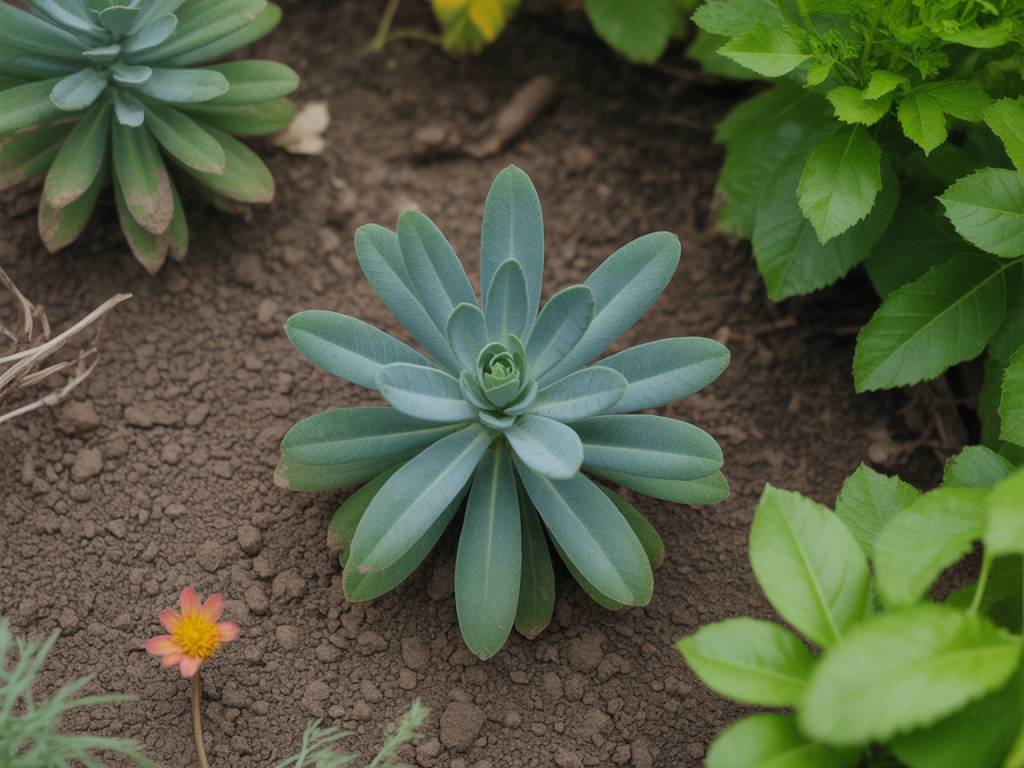
When I first started gardening here in the UK, I used to think autumn was the season to simply “shut down” the garden. Over the years, I’ve learned it’s actually the perfect time to feed and protect the soil with autumn green manures. These living blankets not only keep the beds covered through the cold months, they quietly build fertility for the burst of life in spring.
In my own no-dig, largely permaculture-inspired garden, I now see green manures as essential allies. They save me time, reduce the need for imported compost, and keep the soil life thriving even in the depths of winter.
Why autumn green manures matter in a UK garden
In our climate, especially in wetter and windier parts of the UK, bare soil over winter is constantly under attack. Rain compacts it, nutrients wash away, and the structure collapses. By sowing green manures in autumn, I protect the soil and actually improve it while I’m inside with a cup of tea.
Here are the main reasons I rely on them:
- Protection from erosion: A living cover shields the soil from heavy rain, wind and frost heave.
- Weed suppression: A dense carpet of growth makes it harder for unwanted plants to take over dormant beds.
- Improved soil structure: Roots act like a scaffold, creating channels for air and water and leaving behind organic matter.
- Nutrient capture and storage: Green manures “hold on” to nutrients that would otherwise leach out over winter.
- Natural fertiliser for spring: When you cut and leave them to decompose, they feed the soil and your crops that follow.
- Support for soil life: From microbes to earthworms, soil organisms stay better fed and more active beneath a living cover.
For a low-input, nature-friendly garden, they’re one of the simplest and most powerful tools I know.
How green manures fit into a permaculture approach
In a permaculture-inspired garden, I’m always asking: how can one element do several jobs at once? Green manures are brilliant for stacking functions. A single sowing can:
- Protect the soil
- Fix or capture nutrients
- Feed pollinators (some flower in spring if left to bloom)
- Provide biomass for mulch or compost
- Help break up compacted ground
Rather than buying bags of fertiliser, I let plants do the work. I see the garden as a living system, not a series of empty beds to be refilled each year.
Best autumn green manures for UK conditions
Not all green manures are equally suited to autumn sowing in the UK. These are the ones I rely on most often, with a few notes from my own beds.
Field beans (Vicia faba)
I like field beans for heavier soils and exposed spots. They’re hardy, stand up well to wind and cold, and their deep roots help open up compacted ground.
- Best sowing time: September to early November in milder parts; earlier in colder regions.
- Soil type: Clay, loam or any reasonably fertile soil.
- Role: Nitrogen fixer, soil structure improver, biomass producer.
- Tip from my garden: I sow them thickly where I plan to grow hungry crops like brassicas or squash the following season.
Winter rye (Secale cereale)
Winter rye is tough as old boots and one of the best for protecting soil over wet, cold winters. It grows well on poor ground and leaves masses of roots behind.
- Best sowing time: Late August to October.
- Soil type: Very adaptable, including sandy or tired soils.
- Role: Weed suppressor, soil stabiliser, organic matter builder.
- Tip from my garden: I avoid sowing rye right before root crops; the strong root system can make the soil a bit too tight if not chopped down in time.
Winter tares (Vicia villosa and related vetches)
Winter tares are another nitrogen-fixing favourite of mine. They knit across the bed and work well mixed with grasses like rye.
- Best sowing time: Late August to October.
- Soil type: Likes moisture and reasonably fertile soil.
- Role: Nitrogen fixer, weed suppressor, ground cover.
- Tip from my garden: I often use a mix of winter tares and rye for a really robust winter cover that’s easy to cut down in spring.
Crimson clover and other clovers
Clovers are beautiful as well as useful. Crimson clover in particular brings a lovely splash of colour if allowed to flower in late spring, and bees adore it.
- Best sowing time: Late summer to early autumn while the soil is still warm.
- Soil type: Well-drained soils, not waterlogged clay.
- Role: Nitrogen fixer, soil conditioner, pollinator plant (if left to bloom).
- Tip from my garden: I use clovers in beds where I want a soft, fibrous root system rather than bulky stems.
Mustard (Sinapis alba) – with a word of caution
Mustard is fast-growing and excellent for a quick autumn cover. It can help reduce certain soil-borne pests, but it’s in the brassica family, so I never use it where I plan to grow cabbages, kale or sprouts the next year.
- Best sowing time: Late August to September for autumn growth.
- Soil type: Most soils, as long as they are not waterlogged.
- Role: Quick cover, biofumigant effect, organic matter.
- Tip from my garden: I mostly use mustard ahead of potatoes, beans or alliums, never ahead of brassicas to reduce disease risk.
Phacelia (Phacelia tanacetifolia)
Phacelia is one of my favourites for beauty and bees. It’s not frost hardy everywhere, but in milder areas it can survive or at least provide good cover before the real cold hits.
- Best sowing time: Late summer to early autumn.
- Soil type: Very adaptable, light and medium soils.
- Role: Quick cover, great for pollinators, weed suppression.
- Tip from my garden: I sometimes let a patch flower in spring, then chop it down as a mulch around young plants.
Choosing the right green manure for your beds
When I plan autumn sowings, I think about what will follow in spring and summer. This helps avoid plant family clashes and makes the most of each species.
Here’s how I tend to match green manures with future crops:
- Before brassicas (cabbage, kale, sprouts): I go for field beans, clovers or winter tares, to load the bed with nitrogen.
- Before root crops (carrots, parsnips, beetroot): I favour lighter-rooted covers like clover or phacelia, and I make sure they’re chopped down well before sowing.
- Before hungry summer crops (sweetcorn, squash): A mix of rye and vetch or field beans works beautifully to build structure and fertility.
- In new or poor beds: Rye on its own, or rye with vetch, to stabilise and enrich tired soil.
Where possible, I also think about diversity. A mix of two species often performs better than a single one, with deeper and shallower roots working together.
When and how to sow autumn green manures
Timing is important. The soil needs to be warm enough for seeds to germinate and grow a little before true winter sets in.
- Late August–September: Ideal for most species in much of the UK. The soil is still warm and there’s enough light.
- October–early November: Best for hardy types like rye and field beans, especially in milder regions or sheltered gardens.
My basic method for sowing is very simple and fits well with a no-dig approach:
- Clear the bed of spent crops, leaving in roots where possible to feed soil life.
- Gently rake the surface to create a fine tilth on top of your compost or soil.
- Scatter the seeds either in rows or broadcast by hand, aiming for even coverage.
- Lightly rake the seeds in so they’re just covered, then water if the soil is dry.
- Mark the bed so you remember what you’ve sown.
If you garden on a slope or in a very wet area, a fast-growing cover is particularly helpful to hold everything in place.
Managing green manures over winter
Through winter, I mostly leave my green manures alone. The plants sit quietly, roots working away beneath the surface while the top growth slows down.
What I do keep an eye on:
- Height and density: If they get very tall and leggy during a mild spell, I’ll lightly trim them to stop them flopping over and smothering nearby perennials.
- Volunteer weeds: Strong green manures usually shade weeds out, but if something thuggish appears, I pull it before it sets seed.
In very cold winters, some species may partially die back. That’s not a problem: the dead foliage becomes a light mulch and the roots still help maintain structure.
How and when to cut down green manures in spring
The key to getting the best from autumn green manures is timing their removal. I usually aim to cut them down three to four weeks before I want to plant or sow the next crop, especially in a cooler spring.
Here’s how I deal with them in my beds:
- I choose a dry day when the soil isn’t waterlogged.
- Using sharp shears or a sickle, I cut the top growth as low as I can, leaving roots in the ground.
- I lay the cut material back on the bed as a mulch, or move some of it to the compost heap if there’s a lot.
- For no-dig beds, I avoid turning the soil. I let worms pull the residue down naturally.
If I need to sow very small seeds (carrots, for example), I sometimes pull back the mulch in a narrow strip or add a thin layer of compost on top to create a clean, crumbly seed bed.
For tougher-rooted covers like rye, cutting earlier gives the soil life more time to break things down. A little patience here pays off with better tilth later.
Common pitfalls and how to avoid them
Over the years, I’ve made a few mistakes with green manures. Here are the main ones and what I do differently now:
- Sowing too late: Seeds that go into very cold soil may never get going. I now aim to sow as soon as a bed is cleared, rather than waiting.
- Letting them go to tough, mature seed: If left until the stems are woody and seeds have formed, they’re harder to cut and manage. I always chop them while still green and lush or just before flowering.
- Using brassica-family green manures before brassica crops: This can increase disease risk. I keep mustard and similar plants out of my brassica rotation.
- Digging everything in: I used to dig green manures into the soil; now I generally leave the roots in place and treat the tops like a mulch, which is gentler on soil life.
Creating a year-round soil care rhythm
For me, autumn green manures are part of a bigger pattern of caring for the soil all year long. In the growing season, I keep the soil covered with crops and mulches. As beds empty in late summer and autumn, I move swiftly to keep that cover going with a living carpet.
This rhythm means I use fewer outside inputs, disturb the soil less, and rely more on the quiet work of roots, worms and microbes. By the time spring arrives, the beds feel alive and ready, with a softness and richness that shows me the system is working.
If you haven’t tried autumn green manures yet, I’d encourage you to experiment with just one bed this year. Watch how the soil behaves over winter and how it feels in your hands when you come to plant. In my garden, that experiment changed the way I care for every bed.
Happy sowing, and may your spring harvests be all the richer for the quiet work you begin now.
Samanta