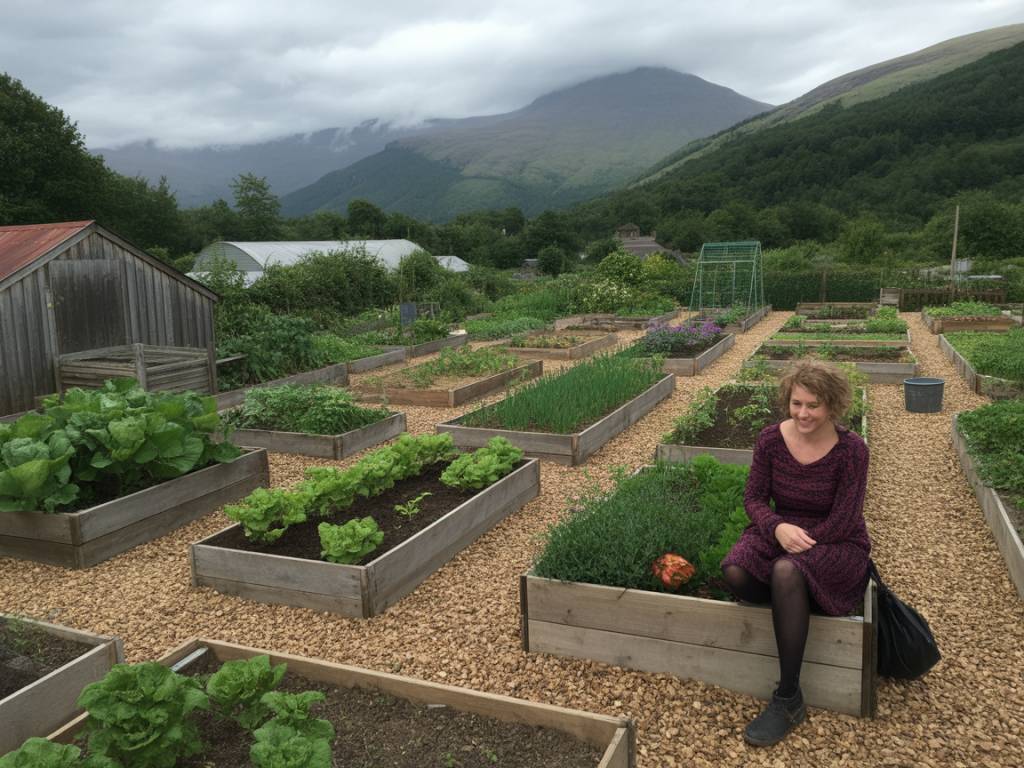
Some gardens arrive in our lives as blank pages; others, comme Braithwaite Gardens, are already whispering stories when we first step through the gate. Ours is a small community plot tucked between terraced houses and a narrow lane, where cats sunbathe on shed roofs and neighbours pause to chat over the fence. This is where I began using permaculture ideas not just to grow food, but to gently shape a more resilient, more connected corner of our neighbourhood.
Permaculture can sound grand and complicated, but at Braithwaite Gardens, it’s simply the way we pay attention. The way we place a compost heap, choose a path, or invite a shy neighbour to pick their first beans. In this article, I’d love to walk you around our plot and share how these ideas have taken root, season after season.
What permaculture really means on a tiny community plot
In books, permaculture is often presented as a full design system with diagrams and zones and impressive terminology. On our little patch at Braithwaite Gardens, it has become something much more homely: a set of habits that help us work with nature rather than against her.
We come back, again and again, to a few simple principles:
- Observe first, act later. We spent almost a whole season just watching: where the frost lingered, which corner dried out first, which fence cast a long winter shadow.
- Every element should have several functions. A hedge isn’t only a hedge: it’s windbreak, wildlife corridor, berry harvest, and children’s hiding place.
- Stacking life in layers. From roots to tall shrubs, we try to use vertical space so every plant has its own little niche.
- Closing the loops. Kitchen peelings become compost, rain becomes stored water, prunings become mulch. Very little leaves the site.
- Designing for people as much as plants. A resilient garden must also be easy and pleasant for humans to tend, share and love.
It’s remarkable how far you can go with just these ideas. Let me show you how they shaped the bones of Braithwaite Gardens.
Designing the shape: gentle curves and useful paths
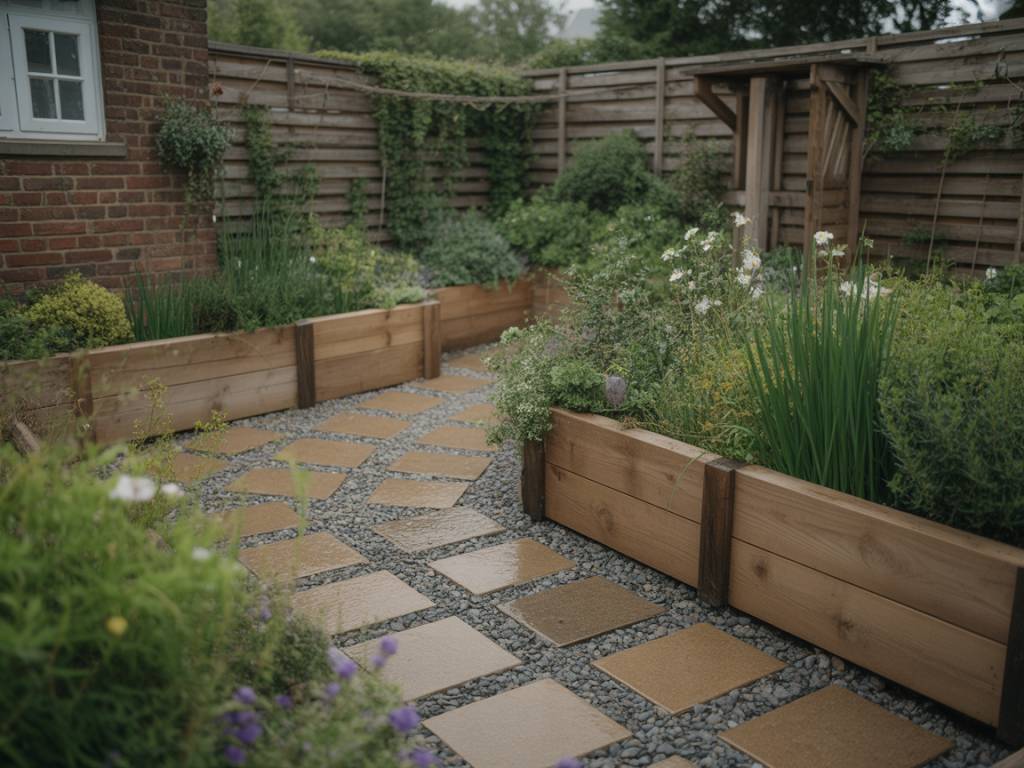
When I first arrived, the plot was a rigid grid of straight beds and narrow paths, laid out like lined paper. Efficient on paper, yes, but harsh in real life. People bumped into corners with watering cans, children tripped, and the soil at the edges kept getting compacted.
We began by redrawing the garden in soft, flowing shapes. Not for beauty alone, though beauty is not a frivolous thing in a community space.
Here’s how permaculture guided the redesign:
- Curved beds – We replaced long straight beds with keyhole-shaped borders that you can reach from a central path without stepping on the soil. This means:
- less compaction,
- easier weeding,
- and more edge for flowers and herbs.
- Clear, generous paths – We widened the main paths so two people can walk side by side (or a wheelbarrow and a wobbling toddler). We mulched them thickly to reduce mud in winter and dust in summer.
- Zones of activity – Without formally numbering zones, we gently grouped things by how often we visit them:
- Near the gate: herbs, salad beds, the noticeboard, and tools – all the things we reach for daily.
- Middle of the plot: maincrop veg that only need weekly care.
- Back corner: compost heaps, leaf mould cage and a quiet wildlife corner we visit less often.
By doing this, we reduced the “fuss” of gardening. Fewer steps, fewer forgotten tools, more time to simply stand and listen to the blackbird in the hawthorn.
Water, soil and the quiet work beneath our feet
Resilience in a community garden often comes down to two invisible allies: water and soil. If we care for these, the plants can forgive many of our human mistakes.
Our soil at Braithwaite Gardens is a typical urban mixture: patches of decent loam, some clay that cracks in summer, and the occasional buried surprise (we have unearthed bricks, glass, and once, a very solemn-looking porcelain doll’s head).
Here’s how permaculture thinking shapes our water and soil care:
- Rainwater first – Every shed roof now feeds into a water butt. On wet days, their gentle gurgling is one of my favourite sounds. In a dry spell, we:
- Prioritise water for young plants, pots and the nursery bed.
- Use watering cans rather than sprinklers to place water exactly where it’s needed.
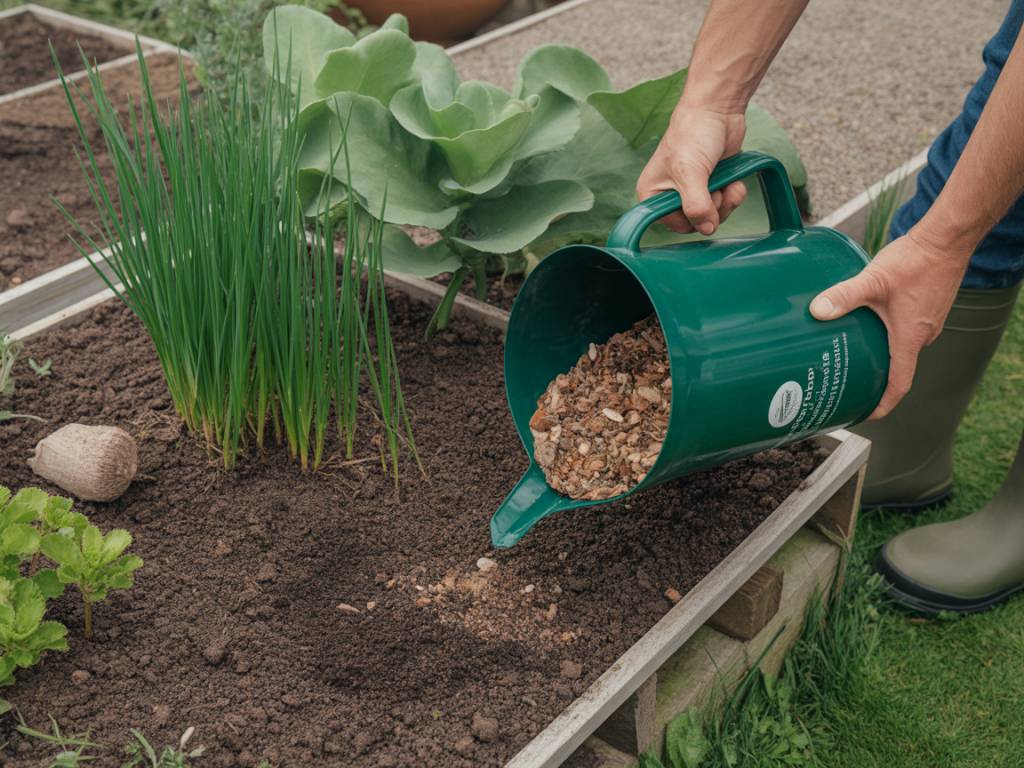
- Mulch as a protective blanket – Bare soil is now a rare sight. We use:
- Shredded prunings from local tree surgeons,
- Cardboard under paths,
- Grass clippings (thinly) and chopped comfrey around hungry crops.
This slows evaporation, feeds soil life and keeps weeds to a polite murmur rather than a roar.
- Compost as our quiet engine – In one shady corner, three wooden bays are constantly in motion: one being filled, one resting, one ready to use. We layer:
- kitchen scraps from neighbours,
- garden waste,
- shredded cardboard and occasional manure.
A little turning, a little patience, and the most beautiful, crumbly compost appears as if by magic each year.
Improving the soil this way has meant fewer pest problems, fewer sulking plants, and a deep sense that we are repairing, not just using, this borrowed patch of earth.
Diversity: a polyculture patchwork instead of neat rows
One of my turning points was standing in front of a bed of identical cabbages, all decimated overnight by slugs after a warm rain. It looked like a buffet that we had kindly laid out for the local mollusc population.
Permaculture encourages us to plant in diverse “guilds” rather than long monoculture rows. At Braithwaite Gardens, that has transformed the way our beds look – and how resilient they are.
Instead of lines of single crops, you’ll now see:
- Mixed salad beds – Lettuce, rocket, beetroot leaves, spring onions and nasturtiums all together. If one struggles, another steps in. We harvest leaf by leaf, like a living tapestry.
- Three sisters (with local tweaks) – We sometimes combine:
- climbing beans for nitrogen,
- sweetcorn as living supports,
- squash or courgette to shade the soil.
It doesn’t always look as perfect as the diagrams, but it is undeniably robust and abundant.
- Herb guardians – Around brassicas and tomatoes, we tuck in:
- marigolds to confuse pests,
- chives and garlic for their protective scent,
- fennel or dill nearby to attract hoverflies and ladybirds.
This tapestry planting has had a lovely side effect: people naturally slow down to look more closely. Children go on “treasure hunts” to find peas hidden in the flowers, and adults who thought they “weren’t gardeners” suddenly feel brave enough to pick something.
Perennial anchors: planting for the long story
Annual vegetables are wonderful, but they ask so much of us: sow, plant, water, feed, harvest, repeat. To balance this, we’ve woven more perennials into Braithwaite Gardens – plants that stay, deepen their roots, and hold the memory of seasons.
Some of our favourites include:
- Fruit bushes – Blackcurrants, redcurrants and gooseberries form a low hedge along one fence. They:
- give structure in winter,
- feed birds and humans in summer,
- and need only a thoughtful prune once a year.
- Rhubarb and asparagus – These feel almost like elder statesmen of the plot, unfurling each spring as if to reassure us: “We’re still here. You’re doing fine.”
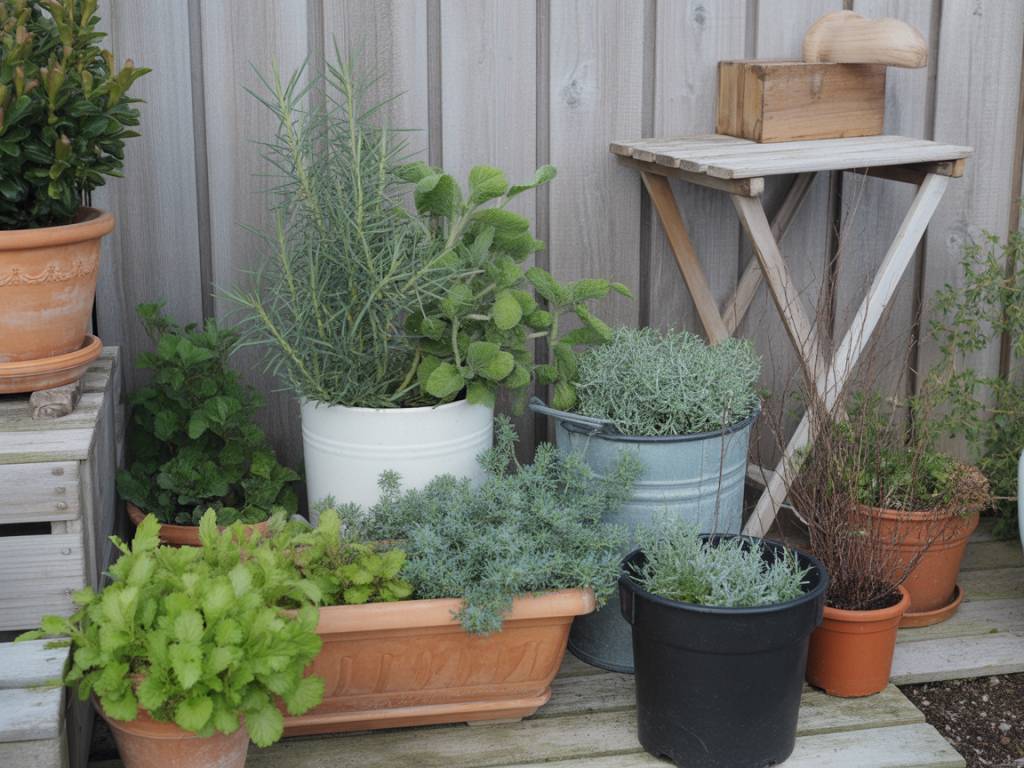
- Perennial herbs – Rosemary by the gate, thyme spilling over path edges, clumps of lemon balm where people naturally pause. Aromatic plants invite touch and conversation.
- Flowering bulbs – Daffodils and alliums tucked into bed edges lift spirits at the very moment when winter feels endless.
These perennial anchors make the garden less fragile. Even if one year we sow fewer seeds or a crop fails, the plot still feels full, alive and welcoming.
Community as part of the design
Permaculture often talks about “social permaculture” – applying the same principles of care and thoughtful design to human relationships. At Braithwaite Gardens, this has been just as important as where we put the compost heap.
We asked ourselves: how can we design the space so that people feel invited, not intimidated? A few simple choices have made all the difference:
- A visible welcome – By the gate, a small board explains what the garden is, when we meet, and reassures passers-by that they are allowed to look in, ask questions, even taste a berry (carefully).
- Places to linger – A bench under the old apple tree has seen tears, laughter, thermos flasks of tea and the shy beginnings of friendships. A small table near the shed often sprouts seed packets and shared biscuits.
- Tasks for every body – On volunteer days, we try to have:
- gentle tasks for those with limited mobility (sowing, potting on, seed sorting),
- more physical jobs for those who want to move (turning compost, shifting mulch),
- and creative work for children (sign painting, bug hotel building).
- Sharing the harvest – Instead of individual plots, we grow communally and divide the harvest. Some take home a big bag of veg, others just a handful of herbs, but the spirit is the same: this abundance is shared.
Over time, the garden has become a gentle meeting place: for neighbours who never used to speak, for the newly arrived who miss their gardens back home, for children who discover the magic of pulling a carrot from the earth for the first time.
Working with the seasons: resilience as a yearly rhythm
Permaculture has helped us see each season at Braithwaite Gardens as part of a longer heartbeat, rather than a rush from one task to the next. Each time of year has its own quiet work of resilience.
In spring, we focus on:
- Warming the soil gently with fleece or cloches rather than forcing it.
- Sowing a little and often, instead of all at once, to spread risk.
- Planting hardy flowers among veg from the very start, to attract early pollinators.
In summer, attention turns to:
- Mulching, always mulching, to help the soil hold onto precious moisture.
- Observing pests before reacting – is this an invasion, or just a snack for the ecosystem?
- Saving seed from strong, healthy plants as a gift to our future selves.
In autumn, we:
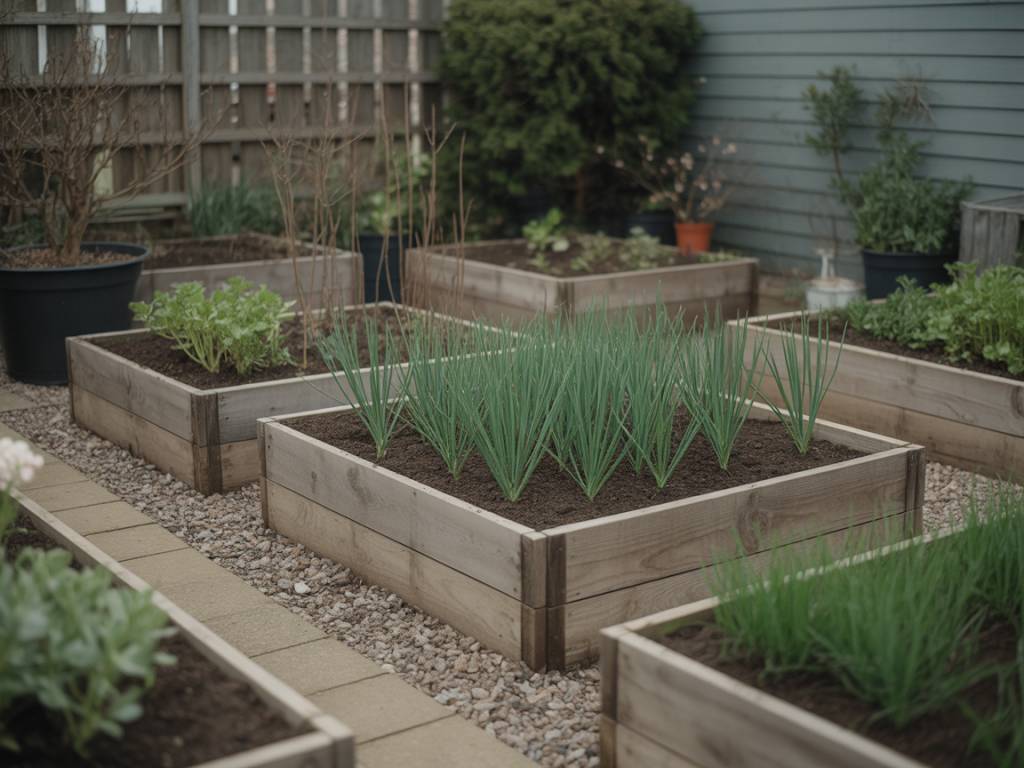
- Plant garlic, onions and broad beans to keep the soil busy and protected.
- Collect leaves from nearby streets to make leaf mould – turning city “waste” into garden treasure.
- Reflect together on what worked (and what didn’t) over a pot of soup made from our own pumpkins.
In winter, resilience looks like:
- Planning, dreaming and sketching – our low-energy season of imagination.
- Repairing tools, checking water butts, mending fences before storms find the weaknesses.
- Leaving seed heads and messy corners for wildlife rather than tidying everything away.
Through these seasonal rhythms, the garden becomes less of a fragile project and more of a living companion, able to withstand heatwaves, late frosts and the occasional human oversight.
Simple permaculture ideas you can borrow for your own plot
You may not have a community space like Braithwaite Gardens on your doorstep, but many of these ideas scale beautifully to a balcony, small back garden or shared courtyard.
If you’d like to bring a little of this permaculture spirit into your own space, you might start with just a few gentle shifts:
- Watch before you change – Spend a week or two noticing sunlight, wind, shade and traffic before moving pots or beds.
- Add one perennial each year – A rosemary bush, a currant, a clump of chives; small investments in long-term stability.
- Grow in layers – Even in a pot, you can have tall (tomato), middle (basil), and low (cascading nasturtium) creating a tiny forest of abundance.
- Mulch your soil – A simple layer of compost, straw or leaf mould will make an enormous difference to water retention and soil life.
- Close a loop – Start a small worm bin, collect rainwater in a barrel, or return your prunings to the soil as chop-and-drop mulch.
- Invite someone in – Share seeds with a neighbour, offer a cutting, or simply ask a friend to sit with you in the garden. Community is a form of resilience too.
Braithwaite Gardens is far from perfect. We have bindweed that laughs at our efforts, tomatoes that sulk in cold summers, and the occasional meeting where more tea is drunk than tasks completed. But year by year, the garden feels steadier, more generous, more itself.
Permaculture, in this little corner of the world, isn’t a strict doctrine. It’s a way of listening – to the soil, the seasons, the insects, and the quiet needs of the people who wander through the gate. And perhaps that is the most resilient design of all: a garden that keeps teaching us, as we keep tending it, together.