


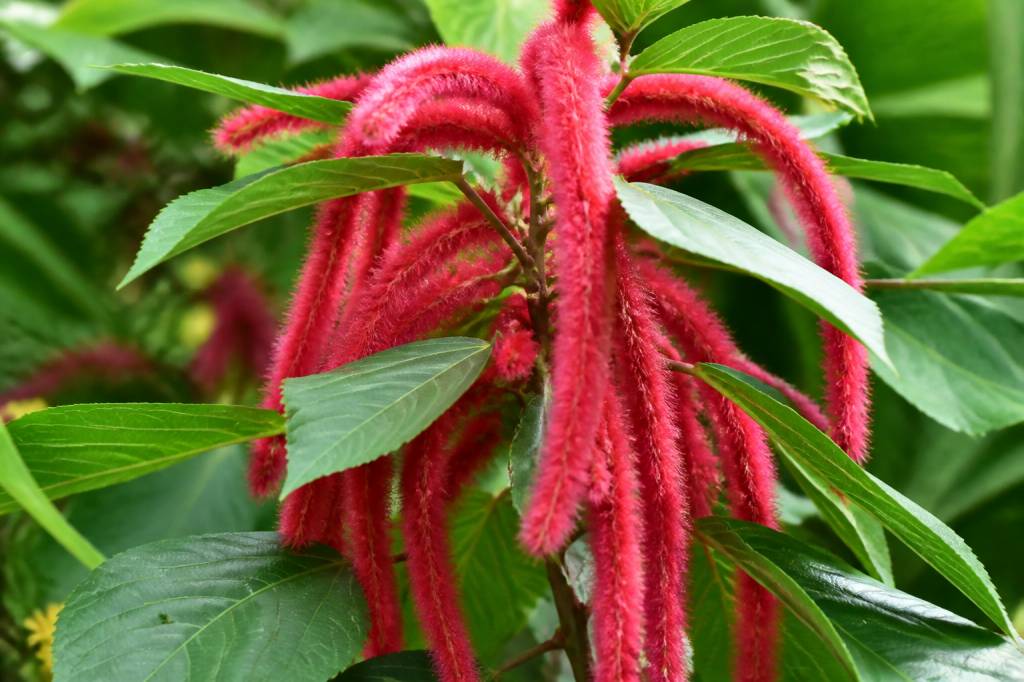
There is something wonderfully theatrical about Acalypha hispida. Known as the chenille plant, red-hot cat’s tail or simply the red hot cattail, it produces long, soft-looking flower tassels that spill over the foliage like crimson velvet. In a warm conservatory, heated greenhouse or bright room, these unusual blooms can bring a little tropical drama to the British gardening year.
In its native tropical habitats, this plant enjoys warmth, humidity and plenty of light. The UK climate, with its cool winters and occasional surprise frosts, asks us to provide a little extra care. Fortunately, growing chenille plants successfully is quite achievable when you understand what they need. Think of it as offering a miniature holiday home for a plant that dreams of steamy forests and warm rain.
Getting to know Acalypha hispida
Acalypha hispida is an evergreen tropical shrub from the Euphorbiaceae family. It is native to parts of the Pacific and Southeast Asia, where it can grow into a substantial plant. In a suitable climate, it may reach several metres, but in a UK container it is usually kept much more compact through pruning.
The most recognisable feature is its flower display. The long, pendulous catkins can reach around 30–45 cm in good conditions, although shorter tassels are common on young or container-grown plants. They are usually bright red, but some cultivated forms produce pink, burgundy or cream flowers. Strictly speaking, these striking tassels are clusters of tiny flowers rather than single blooms.
The leaves are broad, softly textured and often heart-shaped, creating a lush green background for the flowers. Acalypha hispida is generally grown for its decorative value rather than fragrance, but its unusual appearance makes it an excellent conversation starter. Guests may pause beside it and ask whether the flowers are real. They are—and they look as though a friendly cat has left its tail hanging from the pot.
Can chenille plants grow outdoors in the UK?
They can spend summer outdoors, but they are not reliably hardy in Britain. Acalypha hispida is a frost-tender perennial and will suffer when temperatures fall towards freezing. Even a chilly, exposed night may cause leaf damage, while frost can kill the plant completely.
In most UK gardens, the safest approach is to grow it in a container and move it outside only when the weather is settled. Place it outdoors after the risk of frost has passed, usually from late May in many areas, though local conditions vary. In milder coastal or southern gardens, this may be earlier; in colder inland or northern areas, it is wise to wait longer.
Bring the plant back indoors before autumn nights become cold. Do not wait for the first frost as a reminder. By then, the plant may already have been stressed by low temperatures. A bright conservatory, heated greenhouse or warm indoor windowsill will help it continue growing through winter.
Choosing the right position
Light is one of the most important ingredients for healthy growth and good flowering. Give your chenille plant bright, indirect light or gentle filtered sunshine. A position near an east- or west-facing window is often suitable. South-facing windows can work too, provided strong midday sunlight is softened with a sheer curtain during the brightest part of summer.
Too little light may result in stretched growth, smaller leaves and fewer flowers. On the other hand, intense sunlight through glass can scorch the foliage, particularly if the plant is not accustomed to it. Watch the leaves rather than relying on a strict schedule: pale, bleached patches may indicate too much direct sun, while long gaps between leaves suggest the plant is searching for more light.
When placing it outdoors, choose a sheltered spot protected from cold winds. A warm patio, balcony or covered seating area can be ideal. Chenille plants appreciate warmth reflected from walls, but avoid placing them directly against hot glass or beside a radiator.
Soil and containers
Acalypha hispida needs moisture, but it dislikes sitting in stagnant water. Use a fertile, free-draining potting mix that holds some moisture without becoming heavy. A good general-purpose peat-free compost amended with perlite, fine bark or horticultural grit will usually provide a helpful balance.
- Choose a container with generous drainage holes.
- Use a saucer only if excess water can be emptied after watering.
- Repot in spring, moving up by one pot size at a time.
- Avoid placing a small plant in a very large container, as the extra compost may remain wet for too long.
- Support tall stems with a discreet cane if the plant becomes top-heavy.
Repotting is best carried out when new growth begins in spring. Gently loosen the outer roots, refresh the compost and return the plant to a similarly warm, bright position. If the roots are not crowded and the plant is growing well, simply replacing the top few centimetres of compost may be enough.
Watering without guesswork
During spring and summer, water whenever the surface of the compost feels slightly dry. Push a finger about 2–3 cm into the mix; if it feels dry at that depth, it is time to water thoroughly. Allow excess water to drain away, then empty the saucer.
Do not let the compost dry out completely for long periods. Drought stress can cause wilting, leaf drop and poor flowering. Yet constant sogginess is equally troublesome and may lead to yellow leaves or root problems. The aim is steady moisture rather than a daily drench.
In autumn and winter, growth usually slows, especially if light levels fall. Reduce watering, but do not abandon the plant altogether. Check the compost regularly and water when the upper layer has dried. Plants kept in warm, bright conditions may still need a moderate amount of water through winter, while those in a cooler room will need considerably less.
Humidity also matters. Dry indoor air, particularly near central heating, can lead to brown leaf edges and discourage healthy growth. Stand the pot near other plants, use a pebble tray filled with water, or run a humidifier if needed. The base of the pot should sit above the water rather than directly in it.
Feeding for lush leaves and tassel-like flowers
Chenille plants are hungry growers when warmth and light are available. Feed every two to four weeks during the growing season with a balanced liquid fertiliser diluted according to the packet instructions. If the plant is producing plenty of foliage but very few flowers, a fertiliser formulated for flowering plants may be useful, provided it is not applied too heavily.
Always water a dry plant before feeding. Fertiliser placed onto very dry roots can cause damage. There is no prize for using more than recommended; excess nutrients may build up in the compost and affect the roots. During the darker winter months, stop or greatly reduce feeding unless the plant is actively growing in a warm, well-lit position.
Pruning and keeping the plant shapely
Without pruning, Acalypha hispida can become tall, open and somewhat unruly. A gentle trim in spring encourages branching and creates a fuller plant. Cut just above a leaf joint, using clean, sharp secateurs. Remove weak, damaged or overly long stems first, then shape the plant gradually.
Regularly pinching out the growing tips of young plants can also encourage bushier growth. This is particularly useful when raising a plant in a container or trying to keep it at windowsill size.
Spent flower tassels may be removed once they fade. This tidies the plant and directs energy towards new growth. Wear gloves when pruning, as members of the Euphorbiaceae family may produce a milky sap that can irritate skin. Keep the sap away from eyes, wash your hands afterwards and clean your tools.
Propagation from cuttings
Chenille plants can be propagated from stem cuttings, although warmth is essential for reliable results. Spring and early summer are the easiest times to try, when the parent plant is actively growing.
- Take a healthy cutting around 8–12 cm long, just below a leaf joint.
- Remove the lower leaves, leaving a few leaves at the top.
- Place the cutting in moist, free-draining propagation compost.
- Cover loosely with a clear plastic bag or place it in a propagator to maintain humidity.
- Keep it warm and brightly lit, away from harsh direct sunlight.
- Check regularly for roots and remove the cover gradually once new growth appears.
Cuttings may root within several weeks when temperatures remain around 21°C or above. Avoid waterlogged compost, as a cutting with no roots has little ability to cope with excess moisture. Once rooted, pot it into a small container and continue to provide warmth and humidity while it establishes.
Common pests and problems
Warm indoor conditions can attract familiar houseplant pests. Aphids may gather around soft new shoots, while whitefly and spider mite can become troublesome in dry air. Mealybugs may appear as small, cottony patches in leaf joints.
Inspect the plant regularly, especially beneath the leaves and around new growth. Early action is much easier than dealing with a full infestation.
- Remove a small number of aphids by hand or with a gentle jet of water.
- Wipe mealybugs away with a cotton bud dipped in diluted rubbing alcohol, testing first on a small area.
- Improve humidity and rinse foliage carefully if spider mites are present.
- Use an appropriate insecticidal soap or plant-based treatment according to the label.
- Keep affected plants away from other houseplants until the problem is under control.
Yellow leaves often point to overwatering, poor drainage or insufficient light. Brown edges may be caused by dry compost, low humidity or scorching sunshine. Dropped leaves can follow a sudden change in temperature or position. Ask what has changed recently: watering, light, heating and draughts usually provide the answer.
Winter care in a British home
Winter is the season when a little planning makes the greatest difference. Before bringing the plant indoors, check carefully for pests and rinse the leaves if necessary. Place it in the brightest warm room available, away from cold windows at night, draughty doors and radiators.
Try to maintain temperatures above about 15°C. Acalypha hispida will tolerate a brief cooler spell better than a frost, but prolonged cold can cause leaf loss and stop growth. If the plant becomes slightly bare over winter, do not assume it is dead. Keep it warm, water cautiously and wait for brighter spring days before pruning it hard.
In March or April, increase watering gradually as daylight strengthens. Refresh the compost, begin feeding and prune back leggy stems. With patience, fresh shoots should appear, carrying the promise of another season of wonderfully eccentric red tassels.
A simple seasonal routine
- Spring: Repot if needed, prune lightly, restart feeding and move the plant into brighter light.
- Summer: Water regularly, feed every few weeks and enjoy the flowers outdoors in a sheltered, warm position.
- Autumn: Reduce feeding, inspect for pests and bring the plant indoors before cold nights arrive.
- Winter: Keep it warm and bright, maintain moderate humidity and water only when the compost begins to dry.
With its velvet-like flower trails and generous tropical foliage, Acalypha hispida brings a touch of the extraordinary to even the smallest conservatory. It may ask for warmth and attention, but its needs are wonderfully clear: bright light, free-draining compost, steady moisture and protection from the cold. Give it those simple comforts, and this charmingly flamboyant plant will reward you with a display that feels like summer has decided to linger a little longer.