When the garden looks quiet and bare in winter, I’m actually busy feeding the soil. This is the time of year when I focus on gentle, wildlife-friendly ways to nourish the ground so it’s ready for an explosion of life in spring. I live in the UK and garden with a permaculture mindset, so everything I do in winter is about working with nature, not against it.
Why I Don’t Use Harsh Fertilisers in Winter
On cold, wet British days, it’s tempting to reach for a quick-fix fertiliser and then forget about the garden until March. I stopped doing that years ago. Strong, fast-acting fertilizers (especially high-nitrogen ones) can:
- Leach into groundwater during heavy rain and end up in streams, ponds, and rivers
- Encourage soft, sappy growth that is easily damaged by frost
- Disrupt soil life, especially beneficial fungi and microbes
- Harm or indirectly affect earthworms, beetles, and other tiny soil allies
In a British winter, with frequent rain and saturated soils, anything highly soluble tends to wash away before plants can use it. So instead, I feed the soil slowly, using materials that break down gently over time and create a rich, living sponge under my feet.
My Basic Winter Soil-Care Principles
Before I add anything to the soil, I always come back to a few simple principles:
- Feed the soil, not the plant. I focus on organic matter that nurtures the whole soil ecosystem, not just adding nutrients in a chemical form.
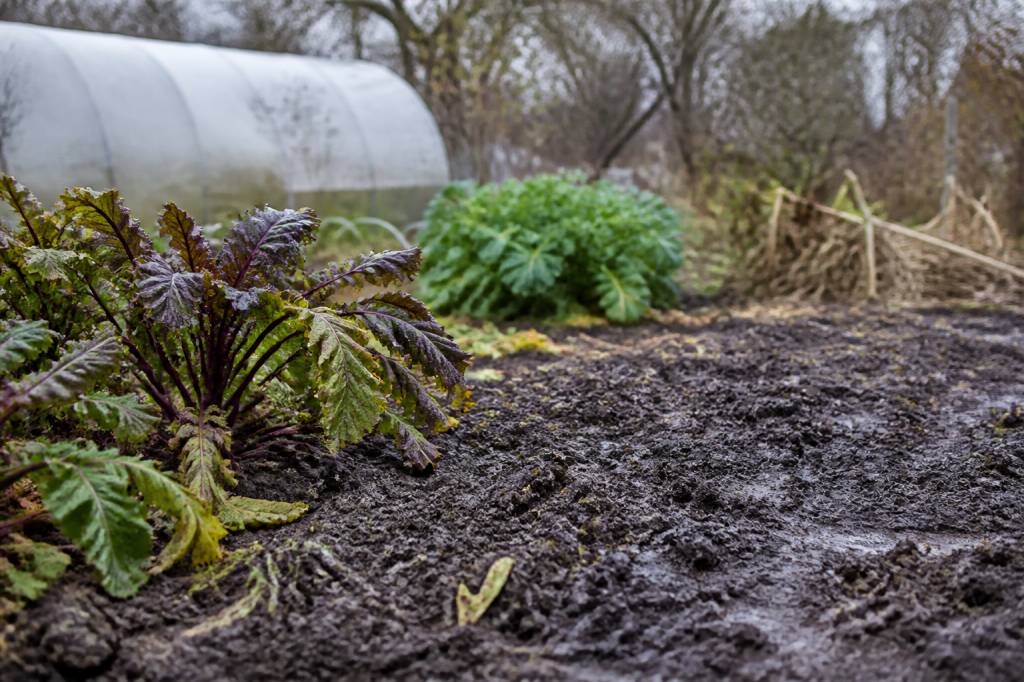
- Keep the soil covered. Bare soil in winter is like a body with no coat. It erodes, leaches nutrients, and loses life. I use mulches or living covers wherever I can.
- Work gently. I avoid digging unless absolutely necessary. Disturbing the soil structure and fungal networks sets everything back.
- Protect wildlife. Anything I add must be safe for worms, birds, hedgehogs, amphibians, and the many small creatures I share the garden with.
The Winter Mulches I Rely On
Mulching is my main way of fertilising in winter. It builds fertility slowly and safely, while also protecting soil life.
Leaf Mould: Turning Autumn Leaves into Garden Gold
In the UK, we’re blessed with heaps of autumn leaves. Many people bag them up and throw them away, but I treat leaves as one of my most precious soil feeds.
Here’s how I use them:
- Collect and store: In autumn, I rake leaves into piles and either make a leaf-mould cage (four posts and some wire mesh) or stuff them into reusable sacks with a few holes poked in them.
- Let time do the work: By winter, the leaves are usually starting to soften. After a year, they become a dark, crumbly material – pure leaf mould.
- Winter use: I spread semi-rotted leaves around shrubs, perennials, and under hedges as a 2–5 cm layer. This slowly feeds the soil and creates the perfect habitat for beetles, worms, and fungi.
Leaf mould is gentle and low in nutrients, which is exactly what I want in winter: a slow, steady enhancement of structure and life, not a nutrient dump.
Compost: A Blanket and a Buffet for Soil Life
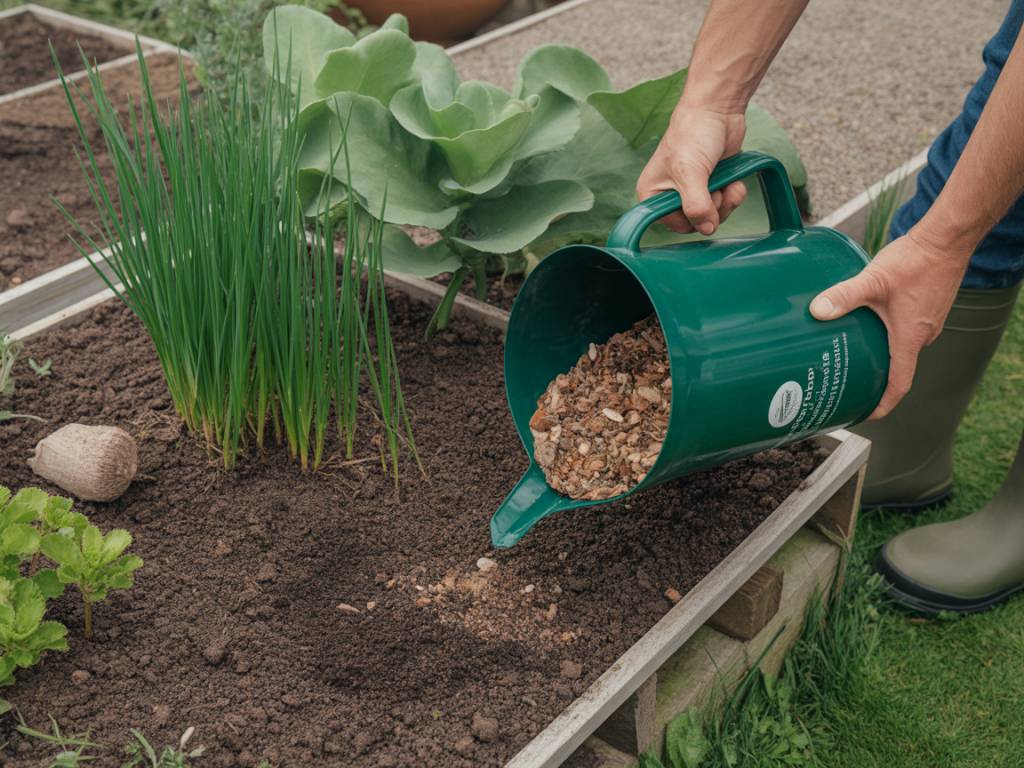
My homemade compost is a living resource I use thoughtfully in winter. Instead of digging it in, I lay it as a surface mulch. That keeps the soil food web intact and lets worms pull it down naturally.
In winter I:
- Spread 1–3 cm of compost over beds that will host hungry crops in spring, like brassicas, squash, or sweet peas.
- Avoid very thick layers during very wet periods on heavy clay, as that can become smeary and compacted.
- Mix with leaves or straw if the compost is very rich, to slow down the nutrient release and make it more wildlife-friendly.
Birds love scratching in compost mulches for food, and I often see blackbirds, robins, and thrushes working through the beds. I just make sure any compost I use is mature and cool, so it doesn’t harm delicate soil organisms or plant roots.
Well-Rotted Manure: How I Use It Safely for Wildlife
Manure can be brilliant for soil, but it’s also easy to overdo it, especially in winter. I only use well-rotted manure – at least a year old, dark, crumbly, and not smelly.
My approach:
- Sparingly on beds that will grow hungry crops, such as pumpkins, courgettes, and sweetcorn.
- Never near ponds, streams, or drainage ditches, to avoid nutrient run-off harming aquatic life.
- Mixed with carbon-rich materials like straw, chopped leaves, or wood chips when I spread it, to prevent it from being too strong or slimy.
I also avoid any manure from animals that have been treated with persistent herbicides, as these can survive in the manure and harm sensitive plants and soil organisms. When in doubt, I leave it out.
Wood Chips and Ramial Mulch: Food for Fungi
Wood chips are one of my favourite winter mulches for wildlife-friendly gardening. They encourage fungal networks, which are vital in a natural, resilient soil system.
I mainly use:
- Mixed wood chips from local tree surgeons (I always ask what trees they’ve chipped and avoid conifer-heavy loads for vegetable beds).
- Ramial chips – small branches and twigs from deciduous trees – which break down faster and feed the soil more effectively.
How I apply them in winter:
- As a 5–8 cm mulch around fruit trees and bushes, taking care to keep a small gap around the trunk.
- On garden paths to protect soil, suppress weeds, and give amphibians and beetles a safe, damp refuge.
- On perennial beds where I want to encourage a woodland-like soil rich in fungi.
Over time, wood chips break down into a beautiful, dark, sponge-like layer that holds moisture and shelters a huge number of organisms. I don’t dig them in; I simply refresh the top layer as needed.
Cover Crops and Living Roots in a UK Winter
Where I can, I prefer to keep living plants in the soil over winter. Even in our cold, damp climate, some cover crops will grow slowly, holding nutrients in their tissues instead of letting them wash away.
Some I like are:
- Field beans – hardy and brilliant for fixing nitrogen, ideal in a rotation before hungry crops.
- Winter rye – tough, roots deeply, and protects soil from erosion and compaction.
- Phacelia (in milder areas) – attractive to pollinators if it flowers early, though I often cut it before that in spring.
I sow these in late summer or early autumn, but even a November sowing sometimes gives a bit of cover. In late winter or early spring, I chop them down and leave the tops on the surface as a mulch. The roots stay in the ground to rot and feed the soil from within.
Feeds and Amendments I Avoid to Protect Wildlife
There are a few common products I simply don’t use, especially in winter, because of their impact on wildlife:
- Pelleted chemical fertilisers – fast-acting and easy to leach into watercourses in wet weather.
- Slug pellets containing metaldehyde – these are being phased out in the UK, and for good reason: they harm hedgehogs, birds, and other slug predators.
- High-nitrogen liquid feeds – not needed when most plants are semi-dormant and very risky for run-off.
- Mystery “soil boosters” without clear ingredients – I prefer simple, known, natural materials.
Instead, I lean on diversity: varied mulches, compost, and cover crops, all working together at a gentle pace.
Looking After the Creatures in the Soil
Every time I feed the soil in winter, I remind myself that I’m really feeding the hidden life underneath. A healthy soil is full of insects, mites, earthworms, fungi, bacteria, and countless microscopic organisms.
To keep them safe and thriving, I:
- Minimise digging – a light fork to lift and loosen, if needed, but no double-digging.
- Avoid walking on beds in wet weather, using paths and boards to prevent compaction.
- Leave some “mess” – a quiet corner with leaves, dead stems, and twigs for insects, hedgehogs, and frogs to shelter.
I’ve found that when I treat the soil as a living community, not as an inert medium, the whole garden responds with more resilience, better drainage, and healthier plants.
My Winter Soil-Feeding Routine in a Nutshell
By late winter, most of my garden beds will have at least one of these:
- A thin layer of mature compost
- A soft, rustling blanket of leaf mould or semi-rotted leaves
- Wood chips under fruit trees and shrubs
- Cover crops holding nutrients in place
I don’t chase instant results. Instead, I trust in the slow transformation going on under the surface. When spring comes, I can feel the difference as I push my hands into the soil: it’s looser, darker, and teeming with life.
If you garden through a UK winter, you don’t need strong, synthetic fertilisers to prepare for a good growing season. A more natural approach, built around mulches, composts, and living roots, will keep your soil rich and your local wildlife safe.
Happy winter gardening,
Samanta